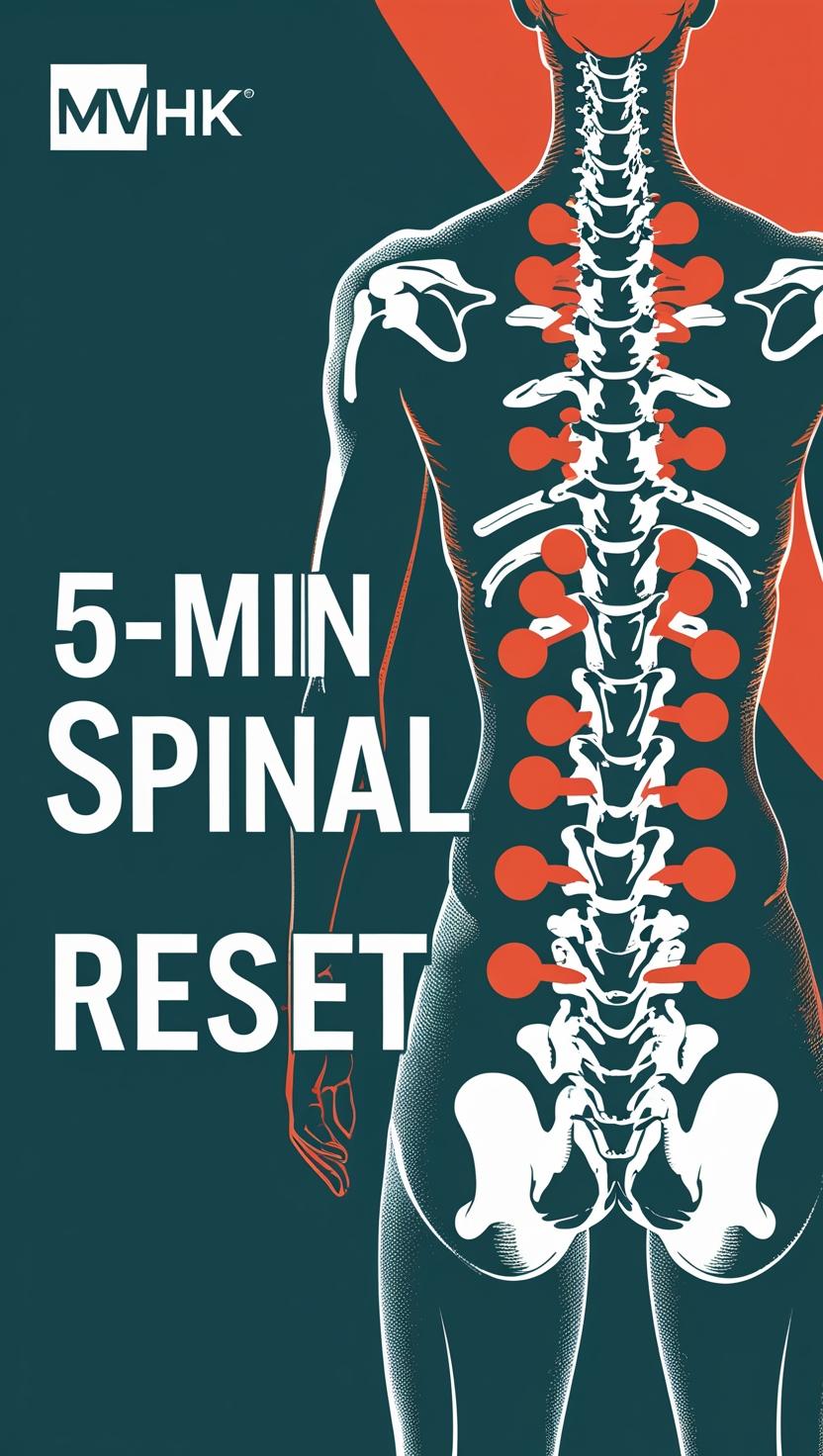
Daily Spinal Decompression for Back Pain Relief
Everyday spinal pressure is silently wearing on your body—and it’s time to counteract it. Over 80% of adults experience back pain at some point, but few realize the spine needs daily recovery to stay functional. Spinal decompression isn’t just for injuries—it’s a proactive tool to prevent damage, restore posture, and reduce chronic discomfort.
This guide breaks down the science, methods, and long-term benefits of spinal decompression for anyone struggling with stiffness, poor posture, or comeback recovery.
🎯 The Science Behind Spinal Decompression
Latest Research
Spinal decompression has long been used in clinical settings to treat herniated discs, nerve compression, and lower back pain. A 2015 study in Pain Physician Journal found that non-surgical decompression therapy led to significant improvement in 71% of patients with disc-related pain (source).
Mechanisms
Spinal decompression works by gently creating negative pressure within the disc spaces, allowing bulging material to retract and fluid to re-enter the disc. This promotes healing, reduces inflammation, and enhances nutrient exchange between spinal tissues.
Expert Opinions
Dr. Stuart McGill, leading spine biomechanist, emphasizes that daily spinal relief is crucial for anyone with axial loading stress: “Even simple unloading can relieve neural tension and aid in recovery. Gravity compresses all day. We must decompress by design.”
💪 Implementation Guide
Getting Started
You don’t need machines or clinics. Here’s a daily 5-minute decompression plan anyone can do at home:
- Hang from a bar – 30 seconds (arms extended, feet off ground if possible)
- Child’s pose – 1 minute with deep breathing
- Cat-cow flow – 10 slow reps
- Legs-up pose – 5 minutes lying flat with feet elevated
Progression Strategies
- Begin with 2x per week and increase frequency based on comfort
- Use yoga blocks or a foam roller to deepen decompression
- Track posture and pain changes weekly with photos or journaling
- Include breathwork to enhance parasympathetic relaxation
Common Mistakes
- Overstretching during spinal flexion
- Holding breath during inversion or hanging
- Ignoring core engagement during mobility
- Not maintaining consistency—decompression must be habitual
🚀 Advanced Techniques
Personalization
- For herniation: Focus on prone (belly-down) decompression
- For disc degeneration: Combine with anti-inflammatory nutrition and walking
- For scoliosis: Use asymmetrical props (e.g., towel under ribcage)
Technology Integration
- Apps like Kaia or Hyperice offer spinal mobility tracking
- Inversion tables and decompression harnesses can accelerate progress
- Smart posture wearables can notify you when spinal loading gets excessive
Sustainability
- Keep tools visible (foam roller, mat, bar)
- Link decompression to daily habits (e.g., before brushing teeth or bedtime)
- Use spinal health check-ins during posture audits or yoga sessions
📊 Results & Success Stories
Case Studies
A 47-year-old remote worker reported a 70% reduction in daily lower back pain after 30 days of home decompression. Another postnatal mother improved spinal flexibility by 40% using short bar hangs and floor routines.
Measurable Outcomes
- Improved spinal curve alignment (measured via mobility tests)
- Decreased sciatica pain frequency
- Better sleep and posture scores
Community Feedback
Online fitness communities on Reddit and Facebook frequently share success using basic decompression as part of rehab. One user wrote: “The pull-up bar hang changed my back in two weeks.”
🎯 Action Plan: Start Today
Week 1-2: Foundation
- 5-minute routine 3x per week
- Focus on breath + mobility quality
- Journal pain and posture
Week 3-4: Progression
- Move to daily routine
- Introduce tech (e.g., posture reminders)
- Add core strengthening on off days
Long-term Maintenance
- Decompression + walking = daily non-negotiables
- Use variations like knees-to-chest or inversion
- Pair with ergonomic habits (standing desk, lumbar support)
📌 Frequently Asked Questions
What is spinal decompression and who needs it?
Spinal decompression involves techniques that reduce pressure in the spine. Anyone experiencing stiffness, back pain, disc bulges, or poor posture can benefit.
Is it safe to decompress my spine daily?
Yes—especially when done with bodyweight-based, gentle methods like bar hangs and floor poses. Always check with a healthcare provider if you have spine-related diagnoses.
How do I start spinal decompression at home?
Use a basic pull-up bar or floor mat. Begin with 30-second hangs, child’s pose, and legs-up posture. Consistency is key.
How long before I feel results?
Many feel relief in just 7–10 days. Major improvements in posture, mobility, and pain reduction typically appear after 4–6 weeks.
Can I do this with a herniated disc?
Yes—but modify positions to reduce strain. Use prone (belly-down) decompression and avoid extreme flexion. Always consult a specialist.