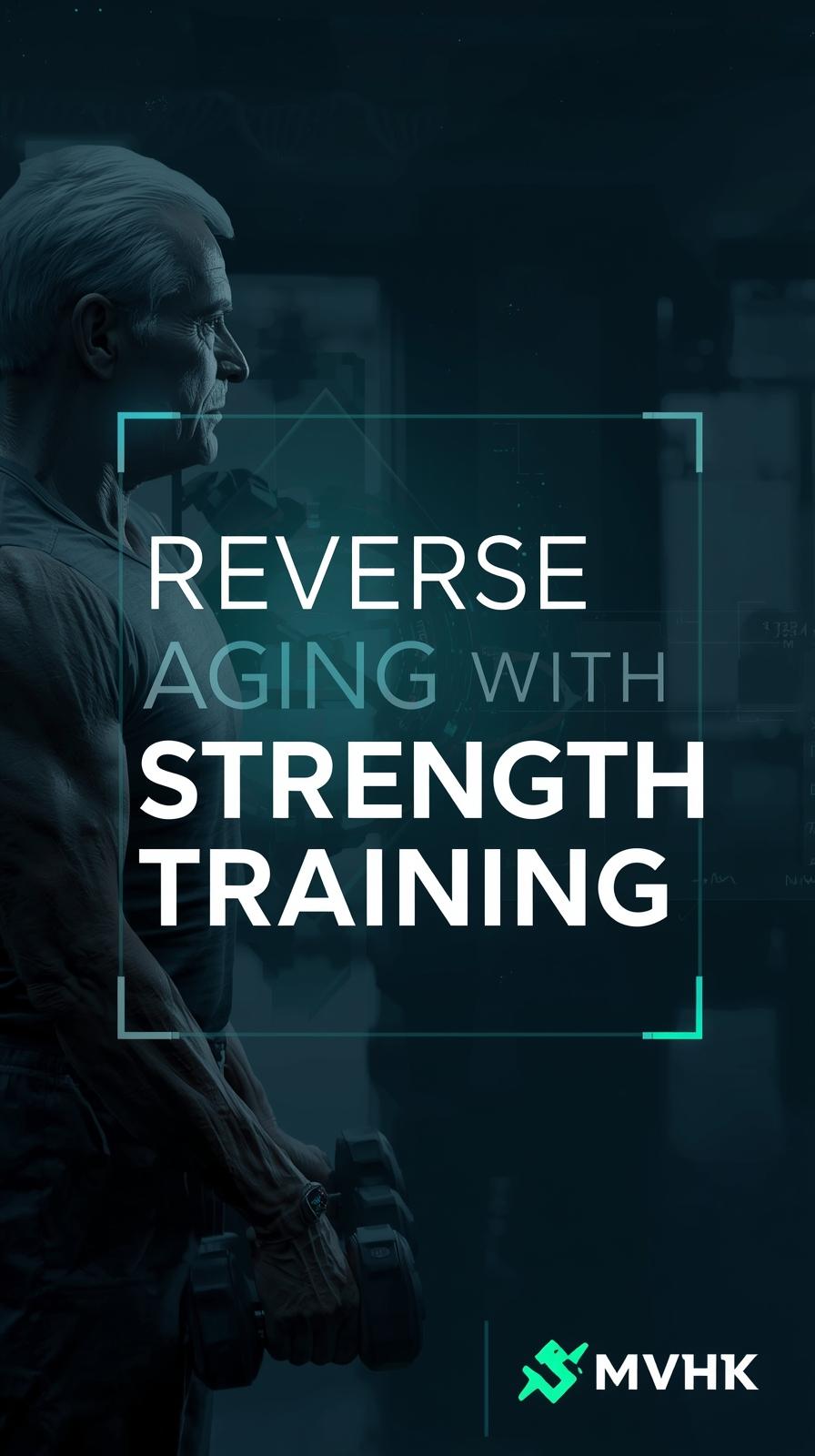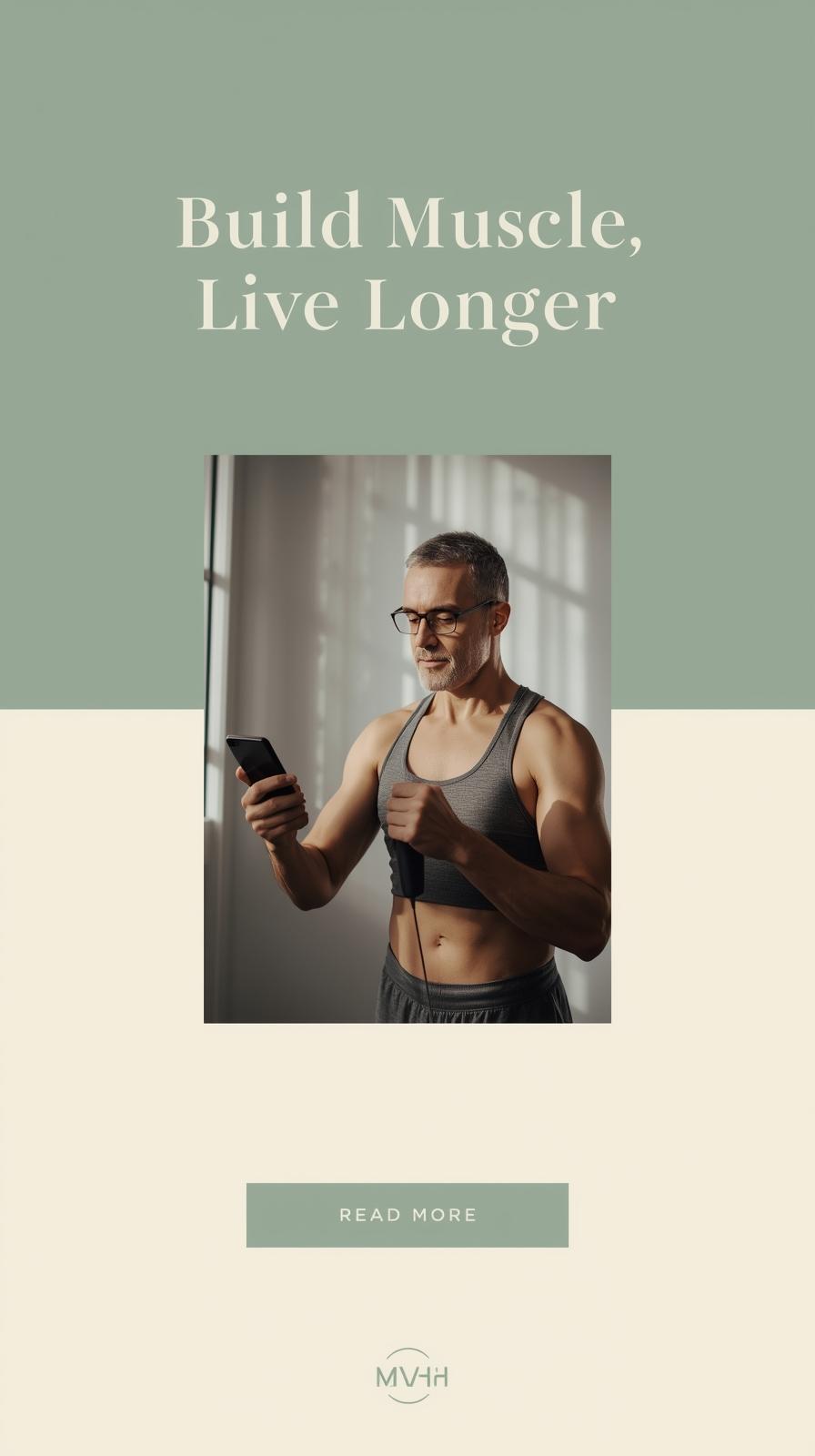
Build Muscle, Live Longer: Why Strength Training Extends Your Lifespan
Did you know that having low muscle mass increases your risk of early death by 36%? That’s not fitness hype—it’s science. Yet millions of people abandon strength training after a few weeks when they don’t see dramatic results. Building real muscle takes time, but the rewards go beyond aesthetics—it can literally save your life.
In this article, we’ll explore why muscle is the most underrated longevity tool, how to build it sustainably at any age, and why consistency—not intensity—is the secret weapon for functional strength and long-term health.
🎯 The Science Behind Sustainable Muscle
Muscle: Your Metabolic Armor
Muscle mass isn’t just about biceps and bench presses. It plays a critical role in metabolism, hormone regulation, glucose control, and inflammation reduction. Studies published in The Journal of Gerontology and The Lancet show that skeletal muscle acts as a protective organ, helping the body respond better to stress, injury, and disease.
What the Research Says
A 2022 meta-analysis in BMJ found that resistance training reduces all-cause mortality by 21%—and that’s independent of cardio. Another study from the American Journal of Preventive Medicine links muscle mass to improved insulin sensitivity, lower visceral fat, and reduced cancer risk.
Longevity and Muscle Quality
It’s not just about how much muscle you have—it’s about how functional it is. Age-related sarcopenia (muscle loss) leads to weakness, falls, and hospitalization. Strength training improves neuromuscular coordination, bone density, and mitochondrial health, extending your healthspan, not just your lifespan.
💪 Implementation Guide
Getting Started: Be Patient, Not Perfect
Muscle doesn’t grow overnight. Most people quit because they expect visible change in 6 weeks—but real growth takes 3–6 months. Instead of chasing perfection, commit to 3 sessions per week with compound movements like squats, rows, and push-ups.
“Muscle building is a long game. It’s not about how much you lift, but how long you stick with it.” – Dr. Lisa Neilsen, Functional Medicine Specialist
Progression Strategies
- Start with bodyweight if you’re a beginner. Add resistance bands or light weights over time.
- Use progressive overload: increase reps, sets, or resistance every 2-3 weeks.
- Prioritize recovery: sleep, hydration, and rest days are when muscles actually grow.
- Track your sessions using an app like Strong, Fitbod, or Whoop to stay consistent.
Common Mistakes to Avoid
- Training too hard, too soon: Leads to burnout or injury.
- Focusing only on machines: Free weights and bands build better functional muscle.
- Neglecting nutrition: You need protein (at least 1.6g/kg body weight) and sufficient calories.
- Skipping rest: Without it, gains stall.
🚀 Advanced Techniques
Personalization with Biometric Feedback
2025 is the year of biometric personalization. Wearables now measure HRV, muscle recovery, and metabolic rate in real-time. Apps like Levels and BioStrap help customize your recovery and training windows for optimal muscle growth.
Tech Integration: AI in Your Gym Bag
AI-powered platforms like Tonal and Tempo offer adaptive strength workouts based on your performance. These tools auto-regulate weight to avoid overtraining while promoting steady progression.
Sustainable Routines for the Long Haul
- Shift from goals to systems: Make strength part of your weekly rhythm—not just a challenge.
- Train in micro-blocks: Even 15-minute “microworkouts” spread across the day promote hypertrophy.
- Focus on consistency over volume: 100 workouts a year beats 10 “perfect” ones.
📊 Results & Success Stories
Case Study: Jeff, 53
After a heart scare, Jeff committed to 3x/week bodyweight sessions and walking 5K/day. At 6 months, he’d built 5lbs of lean muscle and reversed prediabetes. His blood pressure stabilized, and his mood improved dramatically.
Measurable Outcomes
- Muscle gain: +3–7lbs in 6 months
- Glucose regulation: 15–30% improvement
- Falls and fracture risk: Reduced by 28%
- Daily function: Improved balance, posture, and stamina
Community Feedback
Members of our EverStayYoung community report:
- “I can finally play with my grandkids again.”
- “After 12 weeks, my joints feel stable, and I sleep better.”
- “I’ve lost 2 inches off my waist—without dieting.”
🎯 Action Plan: Start Today
Week 1–2: Lay the Groundwork
- Full-body workouts (2x/week)
- Track protein intake
- Begin using a strength app
- Focus on sleep (7+ hrs/night)
Week 3–4: Build Momentum
- Increase volume slightly (3x/week)
- Add resistance bands or weights
- Track recovery markers (HRV, fatigue)
Long-Term Maintenance
- Shift to 3–4 weekly sessions
- Re-test strength benchmarks every 8 weeks
- Mix in outdoor movement (hikes, stairs, walking lunges)
“Muscle is youth insurance. You don’t need to be perfect. You just need to keep showing up.”
🔍 FAQs
How much muscle do I need to live longer?
Enough to support strong daily function. Even moderate muscle mass reduces mortality risk by up to 36%.
Why does muscle prevent early death?
Muscle improves metabolic health, glucose regulation, hormonal balance, and lowers inflammation—all factors linked to longevity.
How can I start strength training after 50?
Start with bodyweight and resistance bands 2–3x per week. Use an app for tracking. Focus on consistency over intensity.
When will I see visible muscle growth?
Expect visual changes in 3–6 months, depending on training consistency, nutrition, and sleep.
Is strength training safe with chronic conditions?
Yes—with medical clearance. Strength work improves joint health, metabolism, and reduces symptoms in many chronic conditions.