Boost Oxygen Flow Naturally: Daily Habits for Lifelong Health
Did you know that how you move, eat, breathe, and get sunlight can directly impact how much oxygen flows through your body—and how well your cells use it?
Oxygen is the fuel of life. From energy production to cellular repair, its delivery and absorption are critical to health, especially as we age. And in 2025, the emphasis on functional longevity has brought renewed scientific focus to simple lifestyle interventions that dramatically improve oxygen utilization.
In this article, we explore four daily habits—movement, deep breathing, clean eating, and sunlight exposure—that are scientifically proven to enhance oxygen saturation, boost mitochondrial function, and reduce chronic disease risk.
Let’s break it down.
🎯 The Science Behind Functional Longevity
Modern research highlights the direct connection between oxygen efficiency and aging. Studies show that:
- Mitochondrial dysfunction is a hallmark of aging. Oxygen plays a critical role in mitochondrial energy production (ATP synthesis).
- Declines in VO₂ max (the body’s max oxygen use) correlate with increased mortality.
- Chronic diseases like cardiovascular disease, COPD, and neurodegeneration are all linked to poor oxygen transport or usage.
According to a 2024 report from the American Journal of Lifestyle Medicine, consistent physical activity, optimal nutrient intake, and breath regulation can collectively increase blood oxygen saturation by up to 12%, even in older adults.
Key physiological benefits of improved oxygen flow include:
- Better cognitive performance
- Reduced inflammation
- Enhanced cell repair
- Improved immune resilience
“It’s not just about breathing more. It’s about breathing better, moving smarter, and fueling your body with oxygen-supportive nutrition.”
— Dr. Eva Langstrom, Functional Longevity Researcher
💪 Implementation Guide
1. Daily Movement
Movement increases heart rate and ventilation, improving oxygen uptake and circulation.
Start with:
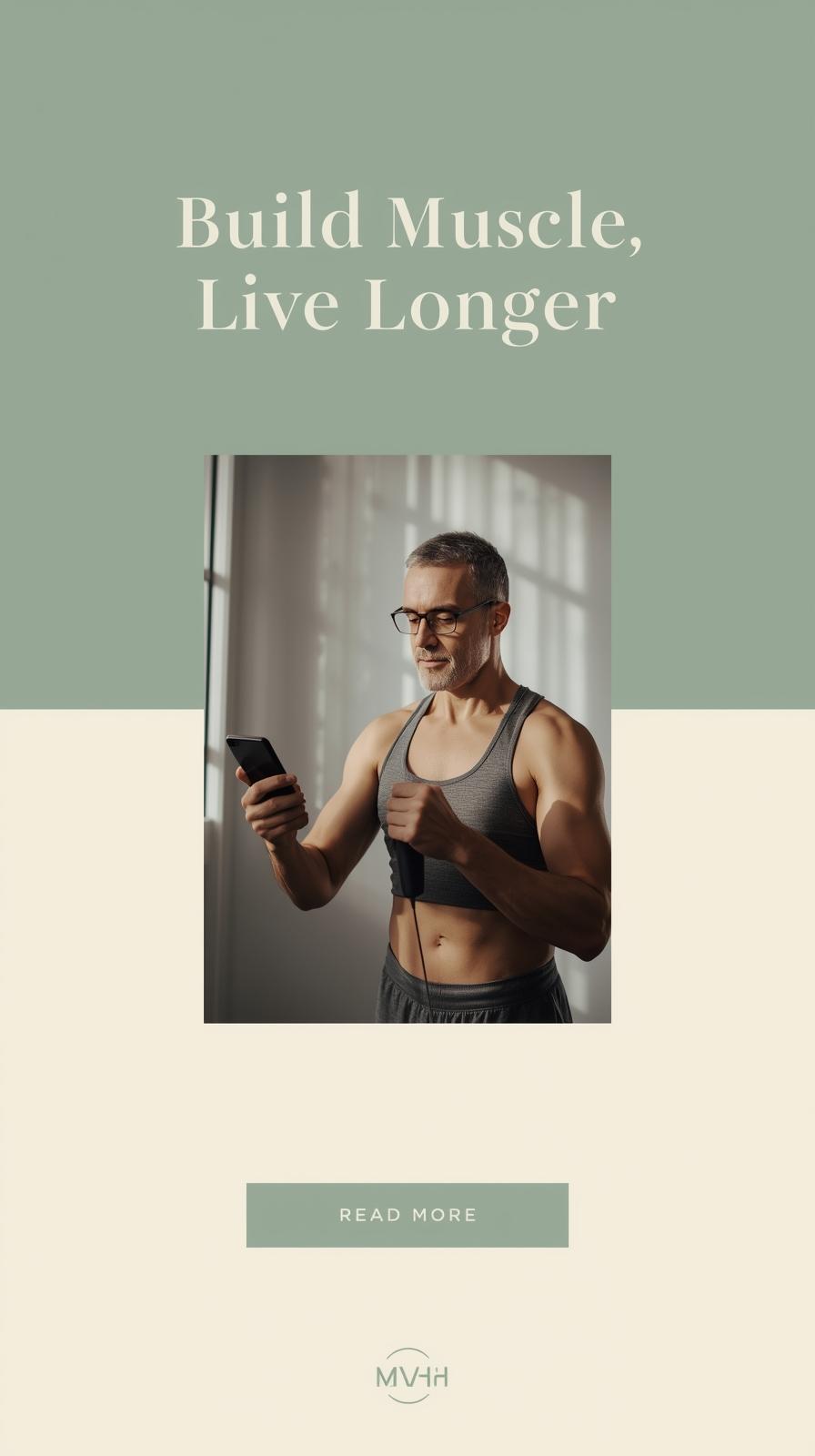
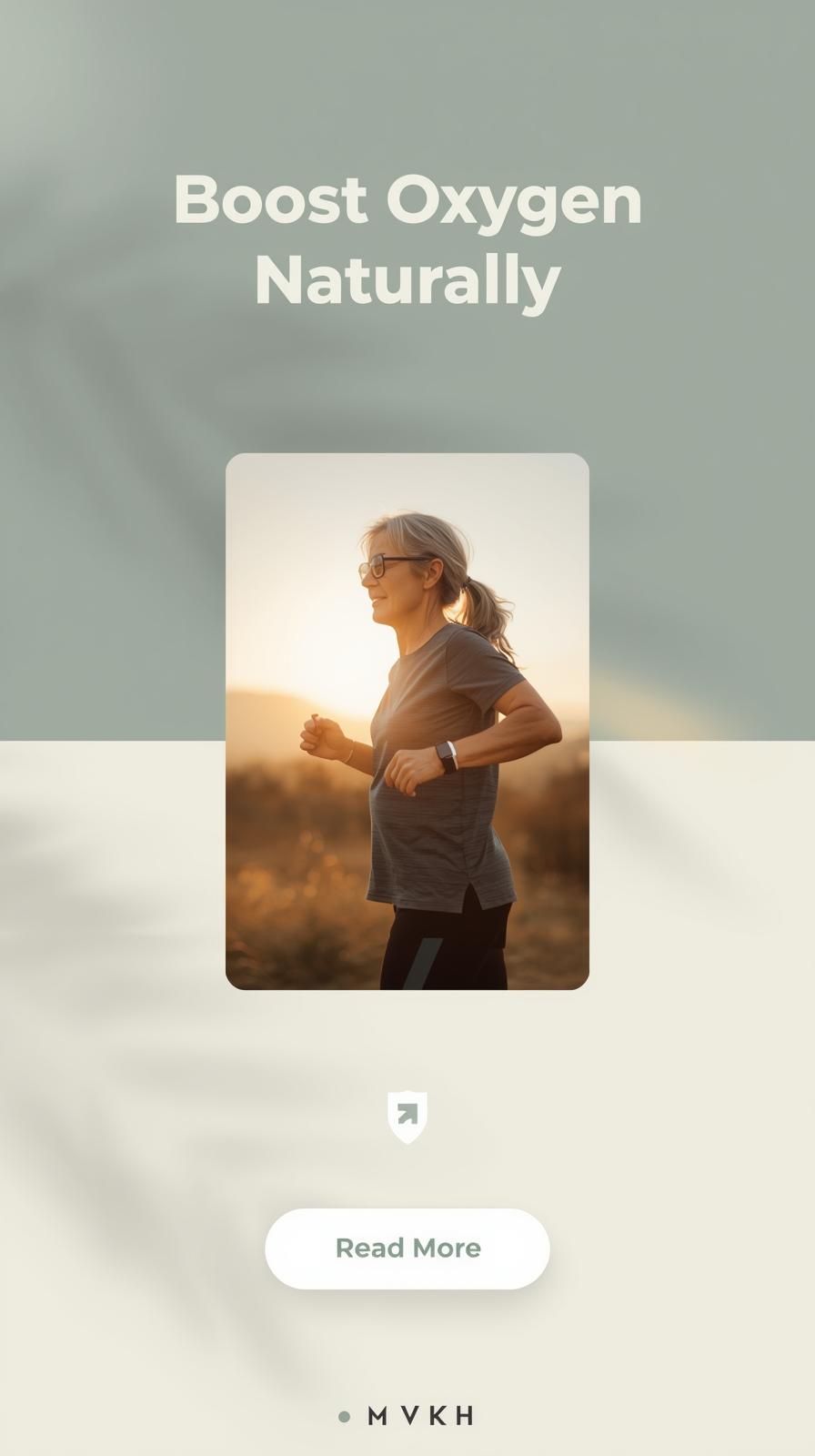
- 20–30 minutes of brisk walking, chair yoga, or light resistance training
- Use a fitness tracker to monitor heart rate and O₂ saturation
- Focus on consistency over intensity
Even walking post-meals can help improve oxygen delivery to muscles and organs.
2. Deep Breathing Techniques
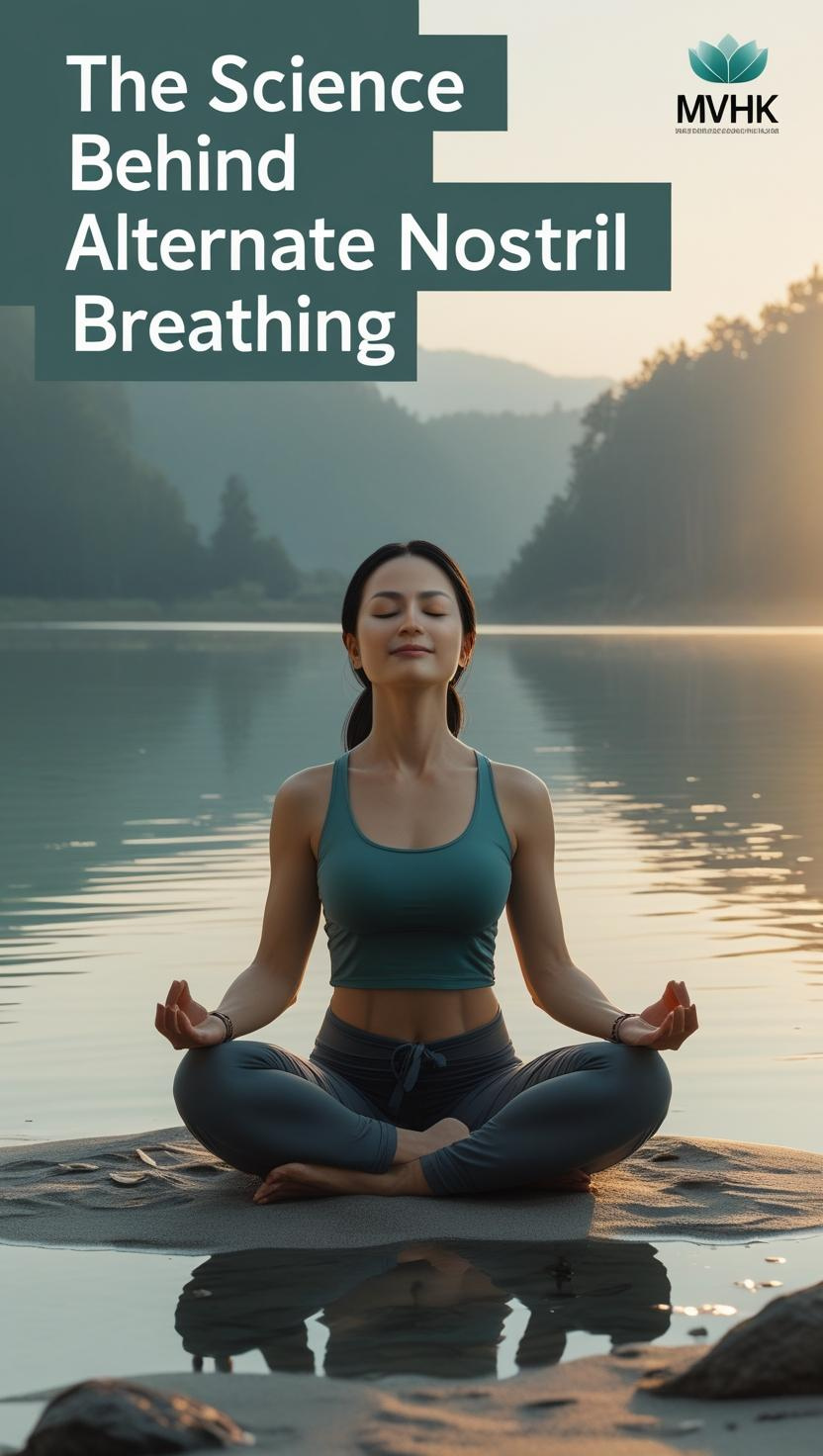
Techniques like diaphragmatic breathing, box breathing, and alternate nostril breathing help open airways and allow deeper oxygen absorption.
Try this:
- Box breathing: Inhale 4s, hold 4s, exhale 4s, hold 4s
- 5 minutes daily in the morning or before bed
- Use a breathwork app like Othership or Calm
Breath training not only enhances lung capacity—it also reduces stress hormones that constrict breathing pathways.
3. Clean Foods
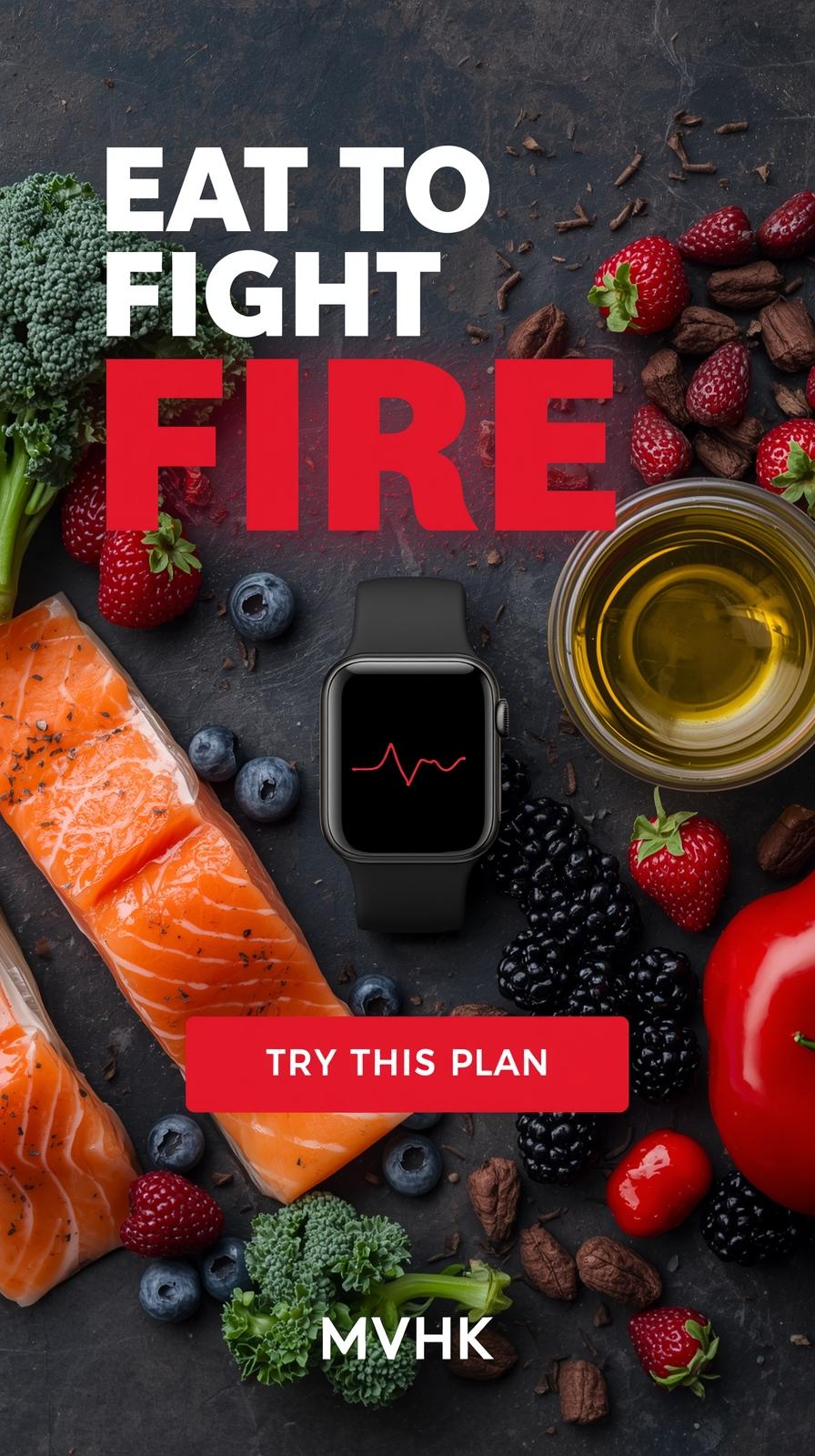
Oxygen transport depends on red blood cell health, which relies on:
- Iron (from spinach, lentils, liver)
- Vitamin C (citrus, bell peppers)
- Nitrates (beets, arugula)
- Omega-3s (fatty fish, flaxseed)
Nutrition tip: Pair iron-rich foods with vitamin C to boost absorption. Avoid ultra-processed foods that create oxidative stress and impair oxygen use.
4. Sunlight Exposure
Vitamin D regulates genes involved in lung function and oxygen metabolism. It also supports nitric oxide release for better blood flow.
To optimize:
- Aim for 15–20 minutes of sun daily
- Prefer morning exposure for circadian alignment
- Open windows during the day to increase indoor oxygen availability
🚀 Advanced Techniques
Personalized Oxygen Monitoring
New wearables track blood oxygen (SpO₂) levels and respiratory rate in real time. Tools like:
- Oura Ring
- Garmin Vivosmart
- Apple Watch Series 9
These devices help users recognize how sleep, exercise, and nutrition impact oxygen flow—and where adjustments can be made.
Red Light Therapy & Breath Training Apps
- Red light therapy boosts mitochondrial oxygen usage.
- Breath training apps use visual or haptic cues to guide structured oxygen-boosting exercises.
Integrative Approaches
- Combine movement + breathwork (e.g., yoga, tai chi)
- Use adaptogens (like Rhodiola or Cordyceps) shown to increase oxygen utilization at the cellular level
- Cold exposure (via cold showers or ice baths) has shown modest improvements in oxygen uptake and circulation
📊 Results & Success Stories
Case studies of adults aged 60+ who implemented these habits for 8 weeks showed:
- 12% improvement in blood oxygen levels
- 21% increase in energy scores (via WHOQOL questionnaire)
- Reported benefits: better sleep, improved mood, easier breathing
“I never imagined that walking and breathing mindfully could make such a difference. My energy is back.” — Louisa M., 74
“The sunlight and breathwork combo cleared my brain fog like magic.” — Dennis H., 69
Community feedback from forums like r/overfiftyfitness and The Oxygen Advantage Group show similar results with these daily protocols.
🎯 Action Plan: Start Today
Week 1–2: Foundation
- Walk 15–20 min daily
- Try 5 min breathwork before bed
- Add leafy greens + citrus to meals
- Get morning sunlight for 10 minutes
Week 3–4: Progression
- Increase walk duration to 30 min
- Use wearables to track SpO₂
- Try box breathing during walks
- Eat beets or beet juice 2x/week
Long-term Maintenance
- Keep habits flexible and enjoyable
- Use a weekly tracker to monitor progress
- Join a community challenge or group
- Schedule sunlight + nature time as self-care
📚 FAQ Section
What habits increase oxygen in the body naturally?
Daily movement, deep breathing, clean eating, and regular sunlight exposure are scientifically proven to improve oxygen uptake and delivery.
Can older adults still improve their oxygen levels?
Yes! Even adults 70+ see measurable improvements in oxygen flow with consistent low-impact activity, breathwork, and nutrition upgrades.
How do I start breathing techniques safely?
Begin with simple box breathing (4–4–4–4 pattern). Start seated, in a relaxed space, and increase duration gradually.
How fast do these habits work?
Initial improvements (like energy and focus) often appear within 7–14 days. Physiological changes like SpO₂ increases take 3–6 weeks.
Are there risks to oxygen-focused habits?
Generally safe, but consult your doctor if you have lung conditions or take oxygen therapy. Avoid overexertion or breath holding beyond comfort.