Alcohol Turns Into a Toxin 30x More Dangerous: The Truth Behind Acetaldehyde
Most people associate alcohol with socializing, relaxation, or winding down. But what if that harmless drink turns into something thirty times more toxic once inside your body? That’s exactly what happens when ethanol transforms into acetaldehyde — a compound recognized by the World Health Organization as a Group 1 carcinogen. In this article, we dive deep into the real science of alcohol metabolism, the damage it causes, and what sustainable recovery looks like. The truth? There’s no such thing as a “healthy” amount of alcohol — and understanding the mechanisms could be the start of a life-saving shift.
🎯 The Science Behind Alcohol’s Toxic Conversion
Latest Research
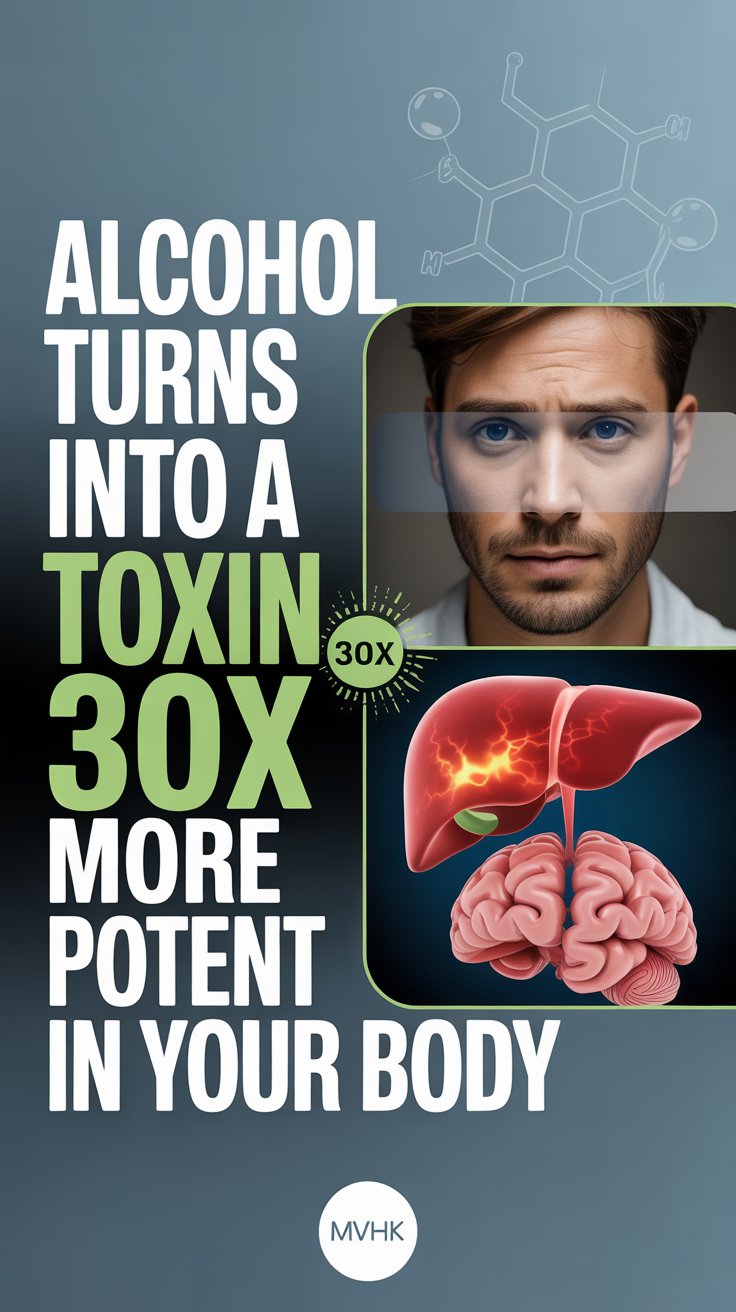
Recent studies from Harvard Health and the National Institute on Alcohol Abuse and Alcoholism reveal that alcohol is a systemic toxin, not just a liver burden. Upon ingestion, the liver metabolizes ethanol into acetaldehyde, which is up to 30 times more toxic than ethanol itself. Even small amounts of this metabolite trigger oxidative stress, inflammation, and mitochondrial dysfunction across multiple organs.
Mechanisms
- Phase 1: Ethanol Ingestion
- Enzyme: Alcohol dehydrogenase (ADH)
- Product: Acetaldehyde
- Phase 2: Acetaldehyde Breakdown
- Enzyme: Aldehyde dehydrogenase (ALDH)
- Product: Acetate (less toxic, energy substrate)
However, not everyone breaks down acetaldehyde efficiently. Genetic variants, poor nutrition, or chronic drinking delay this process, leading to acetaldehyde accumulation — a biochemical nightmare linked to cancer, fatty liver, and neurodegeneration.
Expert Opinions
Dr. Sarah Wakeman (Harvard Medical School) states:
“We’ve normalized alcohol use to the point of cultural saturation, but biochemically, it remains a potent toxin. There is no safe threshold.”
💪 Implementation Guide
Getting Started
- Start by tracking your intake honestly for a week. Most underreport.
- Use apps like Reframe or I Am Sober to understand behavior patterns.
- Replace the ritual of drinking with a wellness cue: meditation, movement, or journaling.
Progression Strategies
- Week 1-2: Prioritize hydration + antioxidants (e.g., vitamin C, N-acetylcysteine).
- Week 3-4: Introduce light exercise to stimulate lymphatic drainage and mood stabilization.
- Month 2+: Begin deeper healing protocols (liver detox foods, adaptogens, psychotherapy).
Common Mistakes
- Believing moderation is enough (science shows complete abstinence is required for brain and liver repair)
- Replacing alcohol with other addictive behaviors (sugar, excessive caffeine)
- Failing to set a strong “why” for sobriety
🚀 Advanced Techniques
Personalization
Genetic testing (via 23andMe or others) can reveal ALDH2 variants that impair acetaldehyde breakdown. Knowing your genetic risk can guide lifestyle decisions and supplement strategies.
Technology Integration
Use wearable trackers (like Whoop or Oura Ring) to monitor HRV, sleep quality, and liver strain. Biofeedback can motivate consistent behavior changes and document healing progress.
Sustainability
Sobriety isn’t just abstaining — it’s rebuilding a lifestyle. Join online communities, follow sober influencers, and replace the dopamine of alcohol with activities that build natural resilience like breathwork or strength training.
📊 Results & Success Stories
Case Studies
- Angela, 42: After 18 months sober, her liver enzymes normalized, skin cleared, and anxiety dropped by 70%.
- Jake, 35: Swapped binge drinking for lifting; gained 12 lbs of lean mass and restored cognitive clarity.
Measurable Outcomes
- Liver function begins improving within 2-4 weeks
- Neuroplasticity returns to baseline by 1-2 years of abstinence
- Addiction risk returns to population norms after 5 years sober
Community Feedback
In sober circles like This Naked Mind and r/stopdrinking, people report stronger relationships, better sleep, and more confidence — all driven by understanding the truth behind what alcohol does at a cellular level.
🎯 Action Plan: Start Today
Week 1-2: Foundation
- Commit to 14 days of sobriety
- Drink 3L of water/day
- Add turmeric, beets, and leafy greens to meals
- Begin sleep tracking
Week 3-4: Progression
- Introduce weight-bearing exercise
- Start journaling cravings + triggers
- Consider therapist or group support
Long-term Maintenance
- Monthly liver check-ins (via labs)
- Regular dopamine resets: hiking, fasting, community connection
- Create a “sober celebration” calendar to reward progress
📌 Frequently Asked Questions
What makes acetaldehyde so toxic?
Acetaldehyde binds to DNA and proteins, causing mutations, cell death, and chronic inflammation. It’s a key driver in cancer risk and organ damage.
Can I still drink occasionally and be healthy?
The evidence suggests no safe level of alcohol. Even one drink increases acetaldehyde exposure and risk.
How do I begin a recovery plan?
Start with 30 days alcohol-free, hydration, and antioxidant support. Use apps or join support groups to stay accountable.
How long does liver healing take?
Mild damage can begin reversing within weeks. Full recovery may take months or years depending on usage history.
Is it safe to detox cold turkey?
If you’ve been drinking heavily, consult a doctor. In some cases, medically supervised detox is essential to avoid seizures or heart complications.