AI-Designed Aging Reversal Pill: Science or Hype?
💡 Key Takeaways
- Chemical reprogramming may replicate gene therapy effects
- Targets epigenetic aging, not just symptoms
- AI accelerates molecule discovery at massive scale
- Human application remains unproven and high-risk
Introduction
A $100 pill that reverses aging sounds like science fiction—but the underlying biology is not. Research led by David Sinclair is shifting from gene therapy toward chemical reprogramming, aiming to reset cellular age without invasive procedures.
The key insight: aging is not just damage—it’s loss of epigenetic information. If that information can be restored, cells may regain youthful function. Early animal studies suggest this is possible, but the gap between mice and humans remains enormous.
The real breakthrough isn’t “reversing aging.” It’s finding a scalable way to influence the biological systems that control aging—especially epigenetics, mitochondrial function, and inflammation.
What Is the Science Behind Chemical Age Reversal?
Chemical age reversal attempts to mimic the effects of cellular reprogramming without altering DNA directly.
Direct answer: It works by restoring epigenetic information that controls gene expression, effectively resetting cellular function.
Core Mechanisms
1. Epigenetic Reprogramming (Evidence-supported)
Aging cells lose proper gene regulation. Reprogramming restores youthful gene expression patterns without changing DNA sequence.
- Involves transcription factors (e.g., Yamanaka factors)
- Chemicals aim to trigger similar pathways
- Targets chromatin structure and DNA methylation
2. Mitochondrial Function (Evidence-supported)
Aging disrupts energy production.
- Improved mitochondrial signaling increases ATP output
- Reduces reactive oxygen species (ROS)
- Enhances cellular repair capacity
3. Inflammation Control (Evidence-supported)
Chronic inflammation accelerates aging (“inflammaging”).
- Reprogramming reduces inflammatory signaling
- Improves immune system balance
4. Cellular Identity Restoration (Hypothesis-supported)
Cells “forget” their function with age.
- Reprogramming restores original cell identity
- May reverse tissue dysfunction
AI’s Role
AI is used to:
- Screen billions of molecules
- Predict biological activity
- Optimize combinations of compounds
This dramatically accelerates drug discovery compared to traditional methods.
How Do You Apply This Concept Correctly Today?
Direct answer: You cannot replicate chemical reprogramming yet, but you can target the same biological pathways safely.
Week-by-Week Longevity Strategy
Week 1: Restore Metabolic Signaling
- Time-restricted eating (12–14h fast)
- Protein intake: 1.2–1.6 g/kg
- Reduce refined carbohydrates
Week 2: Activate Mitochondria
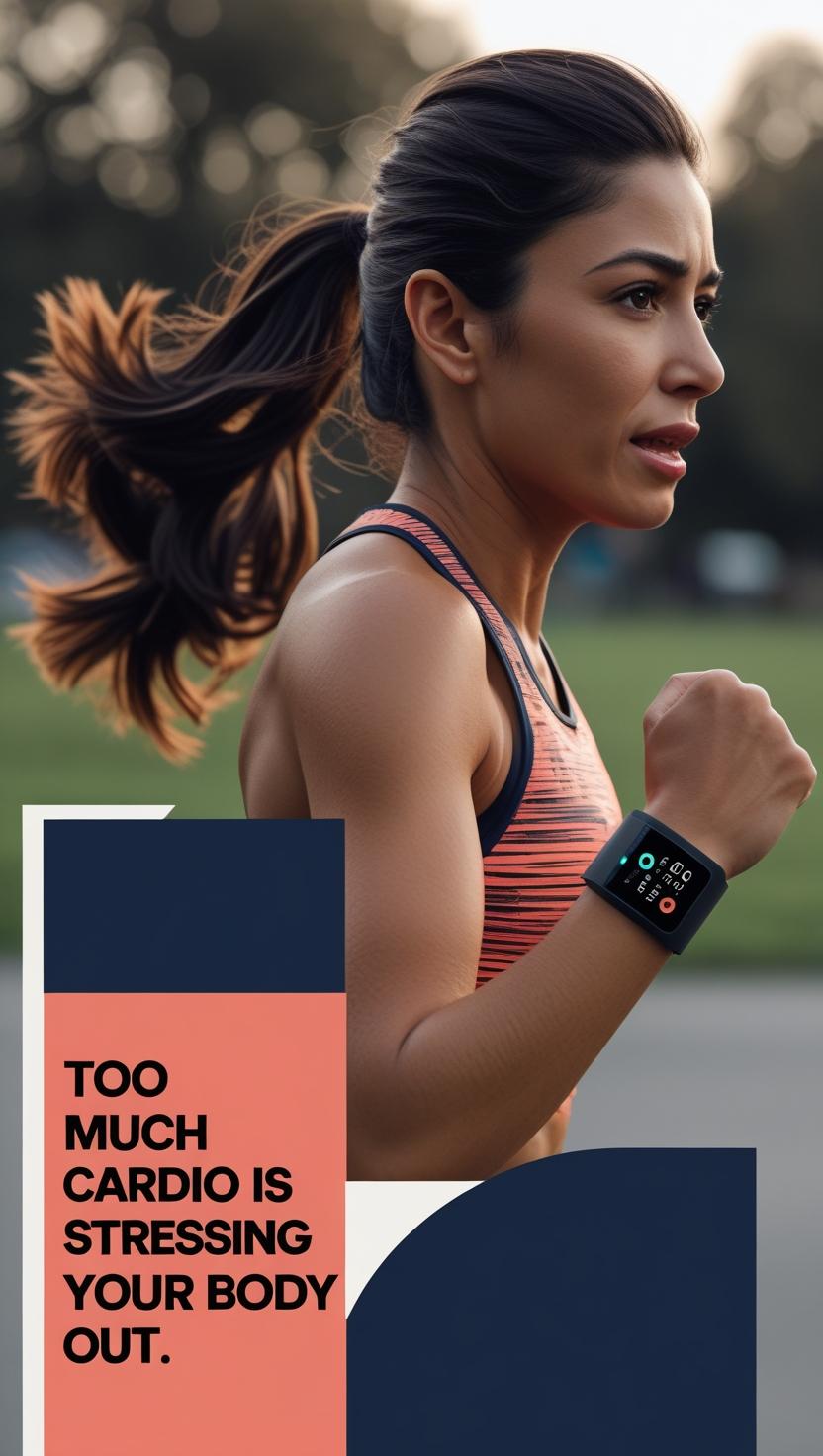
- Zone 2 cardio: 30–45 min, 4x/week
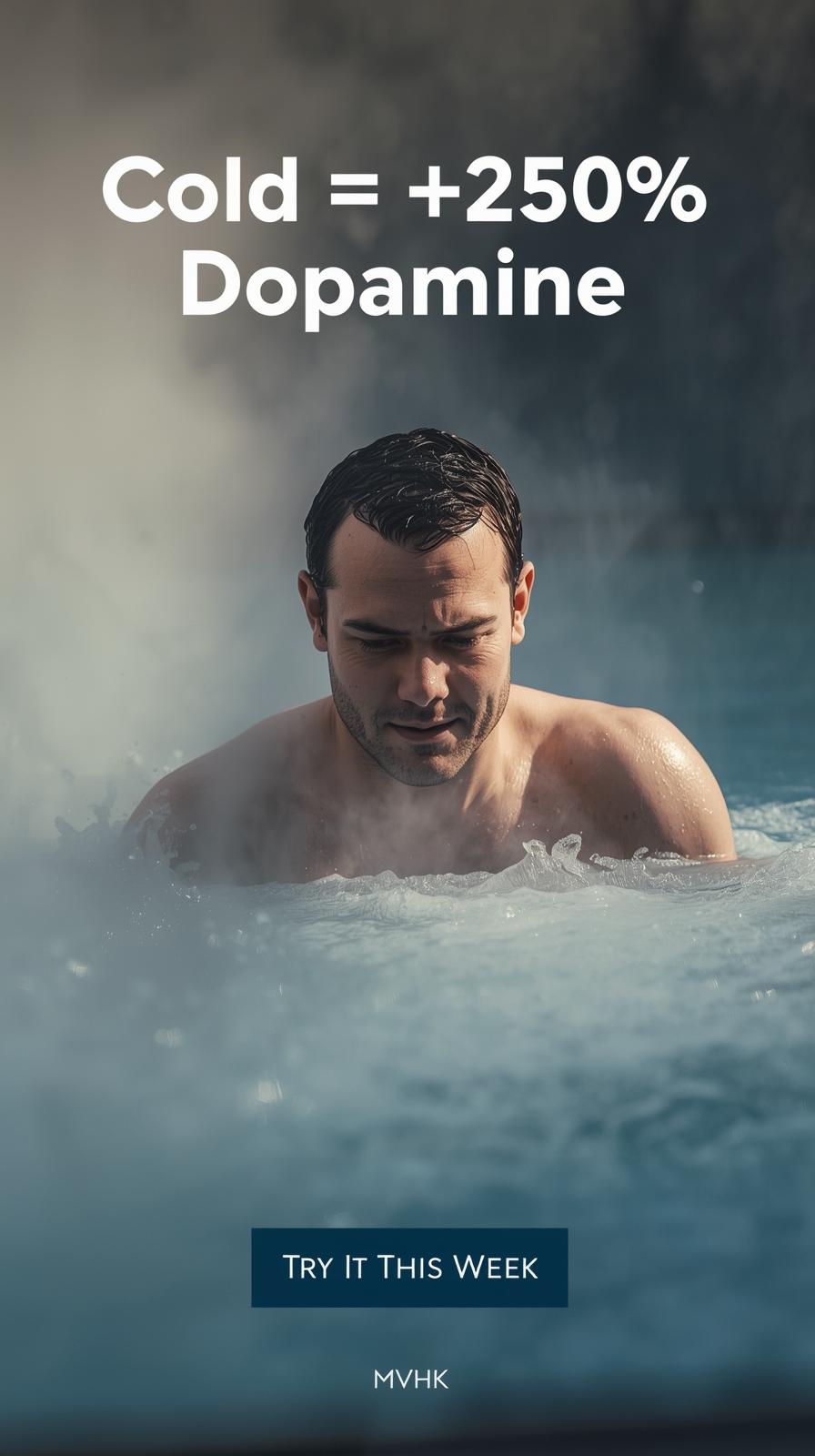
- Cold exposure: 2–3 sessions/week
- Morning sunlight exposure
Week 3: Reduce Inflammation
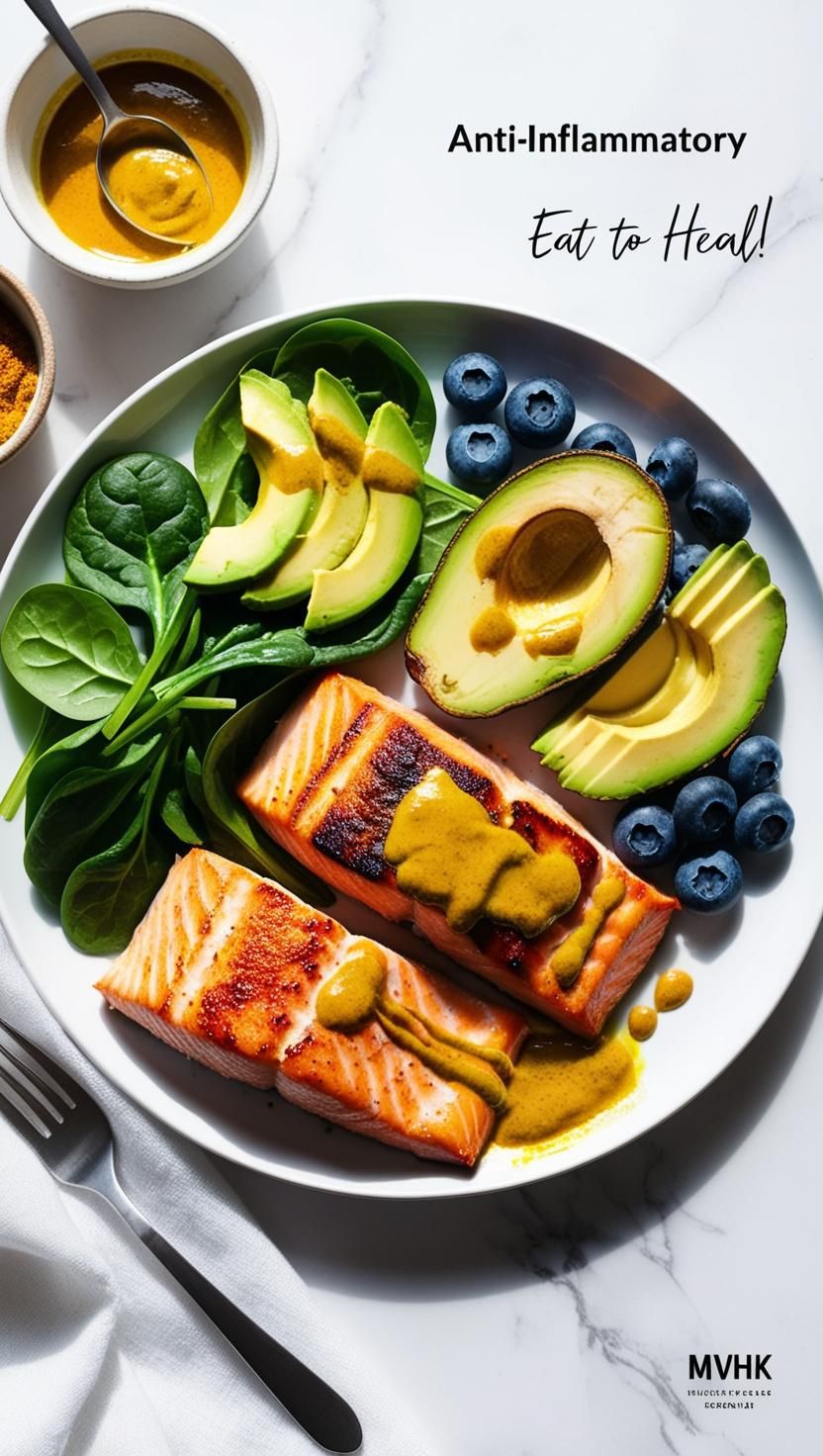
- Omega-3 intake (EPA/DHA)
- Sleep: 7–8 hours minimum
- Eliminate ultra-processed foods
Week 4: Stimulate Cellular Renewal
- Resistance training: 3x/week
- Sauna: 2–4 sessions/week
- Polyphenols (berries, green tea)
Why This Works
These interventions target the same systems:
- Epigenetic regulation
- Mitochondrial efficiency
- Inflammatory load
Safety Note
Chemical reprogramming in humans is not yet validated. Attempting experimental compounds outside clinical trials is high risk.
What Advanced Strategies Improve Results?
Direct answer: Personalization and biomarker tracking significantly enhance outcomes.
1. Biomarker Tracking
Focus on:
- HbA1c (insulin sensitivity)
- CRP (inflammation)
- VO2max (longevity predictor)
- Biological age tests (epigenetic clocks)
2. Wearables
Track:
- HRV → recovery and stress
- Sleep cycles → brain aging risk
- Resting heart rate → metabolic health
3. Stacking Strategies
Combine:
- Exercise + fasting → mitochondrial boost
- Cold + heat → stress adaptation
- Protein + resistance training → muscle preservation
4. Precision Nutrition
Adjust based on:
- Glucose response
- Activity level
- Age-related muscle loss risk
What Results Can You Realistically Expect?
Direct answer: Expect modest but measurable improvements—not age reversal.
Short-Term (4–8 weeks)
- Improved energy levels
- Better glucose control
- Reduced inflammation markers
Medium-Term (3–6 months)
- Increased VO2max
- Improved body composition
- Enhanced recovery
Long-Term (1+ year)
- Slower biological aging
- Reduced disease risk
- Better functional longevity
Anti-Hype Reality
- Mouse rejuvenation ≠ human reversal
- Delivery systems remain a major barrier
- Long-term safety is unknown
Even if successful, early versions will likely be:
- Expensive
- Limited in effect
- Closely regulated
4-Week Practical Action Plan
Week 1
- 12h fasting window
- 8,000–10,000 steps daily
- Remove processed sugar
Week 2
- Add 2 resistance workouts
- 1 cold exposure session
- Increase protein intake
Week 3
- Add 2 cardio sessions
- Start omega-3 supplementation
- Improve sleep consistency
Week 4
- Add sauna or heat exposure
- Track HRV or sleep
- Maintain full protocol
Frequently Asked Questions
Is an aging reversal pill coming soon?
No. Human trials have not confirmed safety or effectiveness. Expect years, not months.
Can chemicals really replace gene therapy?
Possibly, but this is still experimental. Current evidence is limited to animal models.
What is the biggest risk?
Uncontrolled cell growth (including cancer) is a major concern in reprogramming.
Why is AI important here?
AI enables rapid screening of billions of compounds, accelerating discovery dramatically.
What should I focus on now?
Improving mitochondrial health, reducing inflammation, and maintaining muscle mass.
References
- Sinclair DA et al. Cell, Nature — Epigenetic aging research
- Lu Y et al. Partial reprogramming studies, Nature
- López-Otín C et al. Hallmarks of aging, Cell
- NEJM — Aging and chronic disease links
- Lancet — Global aging burden and interventions
- PubMed — Mitochondrial function and aging