10 Glucose Hacks That Flatten Sugar Spikes Without Changing What You Eat
Most people don’t realize they’re riding a daily rollercoaster of sugar spikes and crashes. According to glucose biochemist Jesse Inchauspé, unstable blood sugar isn’t just about diabetes—it’s tied to fatigue, cravings, belly fat, and even anxiety. And the best part? You can fix it without dieting.
Let’s break down 10 powerful glucose hacks, backed by cutting-edge science and proven to reduce sugar spikes by up to 75%—while still eating the foods you love.
🎯 The Science Behind Glucose Hacks
Latest Research
A 2023 review in The American Journal of Clinical Nutrition confirms that frequent glucose spikes, even in non-diabetics, can cause chronic inflammation, oxidative stress, and weight gain. Inchauspé’s data, along with findings from Stanford and Harvard, highlight the impact of glucose variability on long-term health.
Mechanisms
Your body reacts to high glucose spikes with a rush of insulin, pushing sugar into cells. Repeated spikes overstimulate this system, leading to insulin resistance. This results in energy crashes, fat storage, and brain fog. Jesse’s hacks work by flattening these spikes, allowing for smoother glucose curves without food restriction.
Expert Opinions
Dr. Robert Lustig, a pediatric endocrinologist, and author of Metabolical, supports Jesse’s approach, emphasizing that “how you eat” matters more than “what you eat”. Nutritionists like Kelly LeVeque and Rhonda Patrick echo the value of vinegar, fiber, and food order on glycemic control.
💪 Implementation Guide
Getting Started
- Start your day with a savory breakfast.
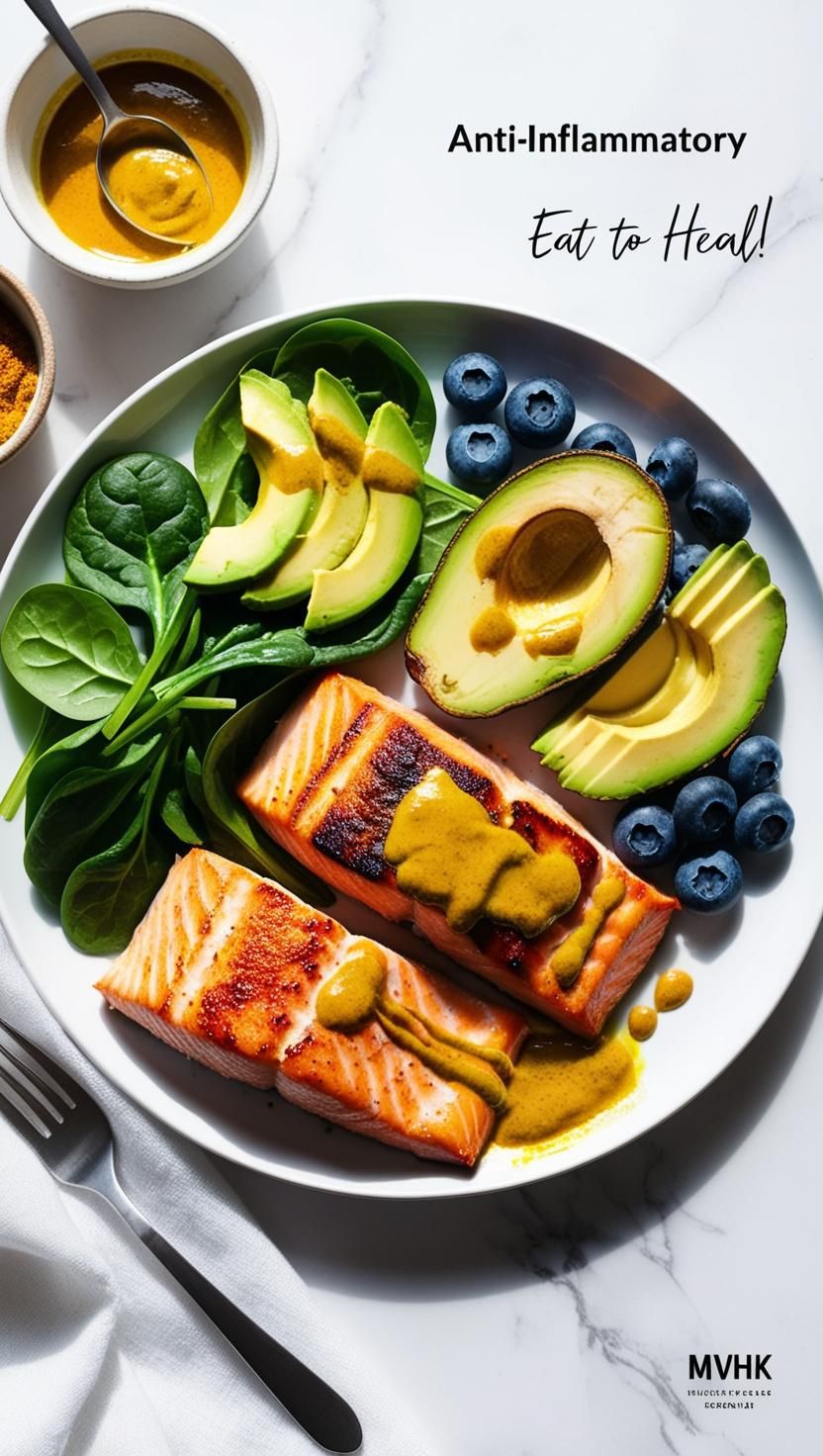
Eggs, avocado, sautéed greens—ditch the cereal and muffins. A savory start keeps insulin low and reduces cravings. - Drink vinegar before your biggest meal.
1 tablespoon of apple cider vinegar or white vinegar in water lowers post-meal glucose spikes significantly (PubMed ID: 16155267). - Start every meal with vegetables.
The fiber slows glucose absorption. Think: salad before pasta. - Move for 10 minutes after eating.
A post-meal walk improves insulin sensitivity and clears glucose from your bloodstream.
Progression Strategies
- Eat in the right order: Fiber → protein → fat → starch.
This sequence flattens glucose spikes by up to 73% (source: Jesse’s continuous glucose monitor data). - Never eat carbs naked.
Always pair carbs with protein or fat—like apple + almond butter or toast + egg. - Choose savory snacks.
Go for olives, cheese, or hard-boiled eggs instead of sweet treats between meals. - Eat sugar only as dessert.
If you’re going to eat sweets, do it after a meal—not on an empty stomach.
Common Mistakes
- Skipping meals (leads to glucose crashes later)
- Eating fruit juices or smoothies (removes fiber)
- Grazing all day (constantly spikes insulin)
- Ignoring sleep and stress (raises cortisol → raises glucose)
🚀 Advanced Techniques
Personalization
- Track your glucose response.
Use a CGM (like Levels or Nutrisense) to learn what foods spike your blood sugar. Everyone is different—even oatmeal spikes some and not others.
Technology Integration
Apps like Zero, MyFitnessPal, or the GlucoseGoddess method help you log meals, glucose spikes, and energy dips. These tools make patterns easy to spot and empower behavior change.
Sustainability
Jesse’s hacks are built on addition, not restriction. You’re not cutting out your favorite foods—you’re just changing how you eat them. This mindset is essential for long-term health.
📊 Results & Success Stories
Case Studies
- Hannah, 39, swapped sweet breakfasts for savory and started walking post-dinner. Her CGM showed a 40% drop in average glucose spikes in 2 weeks.
- Dave, 47, used vinegar before dinner and tracked it. His post-meal energy crashes disappeared.
Measurable Outcomes
- Less bloating
- Reduced cravings
- More stable energy
- Improved mood
- Easier weight management
Community Feedback
Thousands of users on Instagram and TikTok have shared success with Jesse’s “glucose hacks” method, often captioning posts with:
“I didn’t change my diet—I just changed my order!”
🎯 Action Plan: Start Today
Week 1–2: Foundation
- Savory breakfast daily
- 1 tablespoon vinegar before one big meal
- Eat veggies first at lunch or dinner
- 10-minute post-meal walk
Week 3–4: Progression
- Follow food order at all meals
- Eliminate naked carbs
- Switch to savory snacks
Long-Term Maintenance
- Use a CGM quarterly
- Keep sugar as dessert only
- Reinforce meal timing and order
- Stay active after eating
❓ Frequently Asked Questions
What are glucose hacks?
They’re science-backed techniques that help regulate your blood sugar without changing the foods you eat—just how you eat them.
Can vinegar really lower blood sugar?
Yes. Studies show that 1 tablespoon of vinegar before meals reduces postprandial glucose by up to 34% (source: PubMed 16155267).
How do I know if I’m spiking?
Symptoms include brain fog, energy crashes, cravings, and irritability. A CGM offers real-time feedback on what causes your spikes.
How long before I see results?
Most people feel noticeable energy and mood improvements within the first week. Glucose patterns normalize in 2–4 weeks.
Is it safe for everyone?
Generally yes—but pregnant people, those with ulcers, or on insulin should consult a healthcare provider before making changes.