Resistance Training Over 65: The Secret to Reversing Muscle Loss and Frailty
If you’re over 65 and not lifting weights, you might be fast-tracking the very thing you’re trying to avoid: frailty.
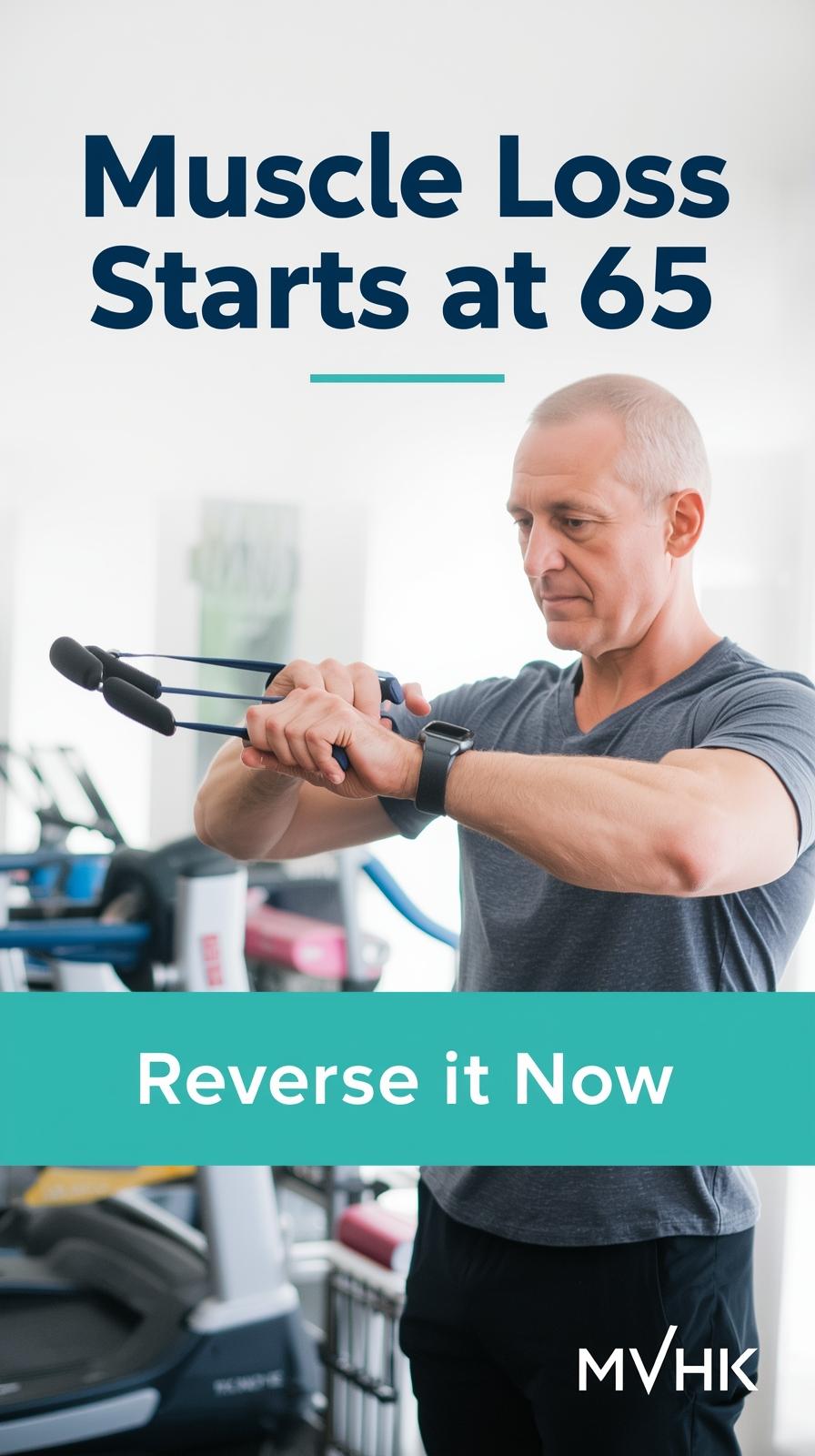
According to decades of data, muscle loss — also known as sarcopenia — starts as early as age 30, but it accelerates after 65. Without resistance training, older adults can lose up to 8% of muscle mass per decade, often leading to reduced mobility, balance issues, and loss of independence.
But here’s the surprising twist: resistance training doesn’t just slow muscle loss — it can reverse the effects of aging on muscle tissue and even restore your body’s ability to respond to protein intake.
Let’s explore the science, strategy, and success stories that prove it’s never too late to lift.
🎯 The Science Behind Resistance Training Over 65
Anabolic Resistance: The Aging Muscle’s Blind Spot
As we age, our muscles develop something called anabolic resistance, meaning they don’t respond as efficiently to protein. A 25-year-old might trigger muscle growth with 20 grams of protein. At 65? You may need double that — 40 grams — just to get the same effect.
Enter Resistance Training
A landmark 2024 meta-analysis from the Journal of Aging Physiology found that just 12 weeks of consistent resistance training restored older adults’ protein sensitivity to near-youthful levels.
This is because resistance training increases the expression of key muscle receptors and enzymes (like mTOR and IGF-1), allowing for better nutrient uptake and utilization.
Muscle = Medicine
According to Dr. David Heber of UCLA, “Muscle mass isn’t just for aesthetics or strength — it’s the most important biomarker of healthy aging.”
Benefits Beyond Muscle:
- Reduced fall risk by up to 40%
- Better glucose regulation
- Lower inflammation markers
- Enhanced brain health via BDNF stimulation
💪 Implementation Guide: How to Start Resistance Training After 65
Step 1: Get Cleared + Motivated
Always consult a physician before starting. That said, most older adults are far more capable than they think. Don’t wait for a diagnosis to start strengthening.
Step 2: Choose Low-Impact Equipment
- Resistance bands
- Dumbbells (3–15 lbs depending on fitness)
- Bodyweight exercises (chair squats, wall pushups)
- Machines with controlled motion (e.g. leg press)
Step 3: Focus on Functional Movement
Prioritize exercises that support daily living:
- Sit-to-stand
- Step-ups
- Farmer’s carries
- Core stability (planks, bird-dogs)
Step 4: Follow the 2x/week Rule
Research from Harvard and Mayo Clinic shows that 2–3 full-body sessions per week yield maximum benefits in aging populations.
Step 5: Pair It With Protein
Consume 25–40 grams of protein within 1–2 hours after training. Whey, collagen peptides, or plant-based blends all work. Add leucine-rich foods like eggs, cottage cheese, or legumes.
Common Mistakes to Avoid:
- Skipping resistance for cardio only
- Not tracking progress
- Poor form leading to injury
- Under-eating protein post-exercise
🚀 Advanced Techniques for Better Results
Biometric Personalization: Fitness Meets Data
Wearables like WHOOP, Oura Ring, or Garmin trackers now allow for real-time recovery tracking, helping you adjust intensity and volume based on sleep, HRV, and readiness.
AI-Powered Training Programs
Apps like Future, Fitbod, and Tonal now adjust resistance training protocols based on your real-time performance and recovery. This is ideal for older adults who want safe, guided progression without guesswork.
Supplemental Boosters:
- Creatine monohydrate: improves strength + cognitive function
- Vitamin D + magnesium: support muscle and bone synergy
- HMB (Beta-Hydroxy Beta-Methylbutyrate): shown to reduce muscle breakdown in seniors
Sustainability Tactics:
- Workout with a partner or in a community class
- Set non-scale goals (e.g. carry groceries, get off the floor unassisted)
- Celebrate consistency, not perfection
📊 Results & Success Stories
Case Study 1: Carla, 68
Before: Trouble climbing stairs, frequent fatigue
After 16 weeks of twice-weekly resistance training + higher protein intake:
- Increased leg strength by 33%
- Regained ability to hike short trails
- Improved balance scores in physical therapy
Case Study 2: Raymond, 72
Before: Pre-diabetic, muscle mass loss, sleeping poorly
After 6 months of structured training with app support:
- Gained 7 lbs of lean muscle
- Lowered A1C from 6.2 to 5.7
- No longer wakes at night due to leg cramps
Feedback from Community Trainers:
“Older adults are often shocked at how fast their bodies respond once they start lifting — it’s like flipping a switch they didn’t know was there.” — Coach Melanie Y., Senior Fitness Specialist
🎯 Action Plan: Start Today
Week 1–2: Foundation
- Start with bodyweight + resistance bands
- Focus on form, not volume
- Walk 10–15 minutes post workout for recovery
Week 3–4: Progression
- Add light dumbbells (5–10 lbs)
- Increase protein to 100–120g/day (split evenly across meals)
- Begin logging workouts + energy levels
Week 5 and Beyond: Maintenance
- Train 2–3x weekly
- Rotate movement patterns (push/pull/squat/core)
- Track strength, stamina, and sleep as key indicators
❓ Frequently Asked Questions
Why is resistance training essential after 65?
After 65, muscle mass naturally declines — resistance training halts and reverses this, reducing falls, frailty, and chronic disease risk.
Can I gain muscle at 70 or older?
Absolutely. Studies show even people in their 80s build muscle and improve function with resistance training 2–3 times per week.
How much protein should I eat per day after 65?
Aim for 1.2–1.6g of protein per kg of bodyweight daily — about 90–120g for most. Split evenly across meals for best results.
How long before I see results?
Strength improvements can happen in 4–6 weeks. Visible muscle changes usually appear by 8–12 weeks with consistent training + nutrition.
Is it safe to lift weights with arthritis or osteoporosis?
Yes, with proper form and guidance. In fact, resistance training strengthens bones and joints — it’s often prescribed for these conditions.