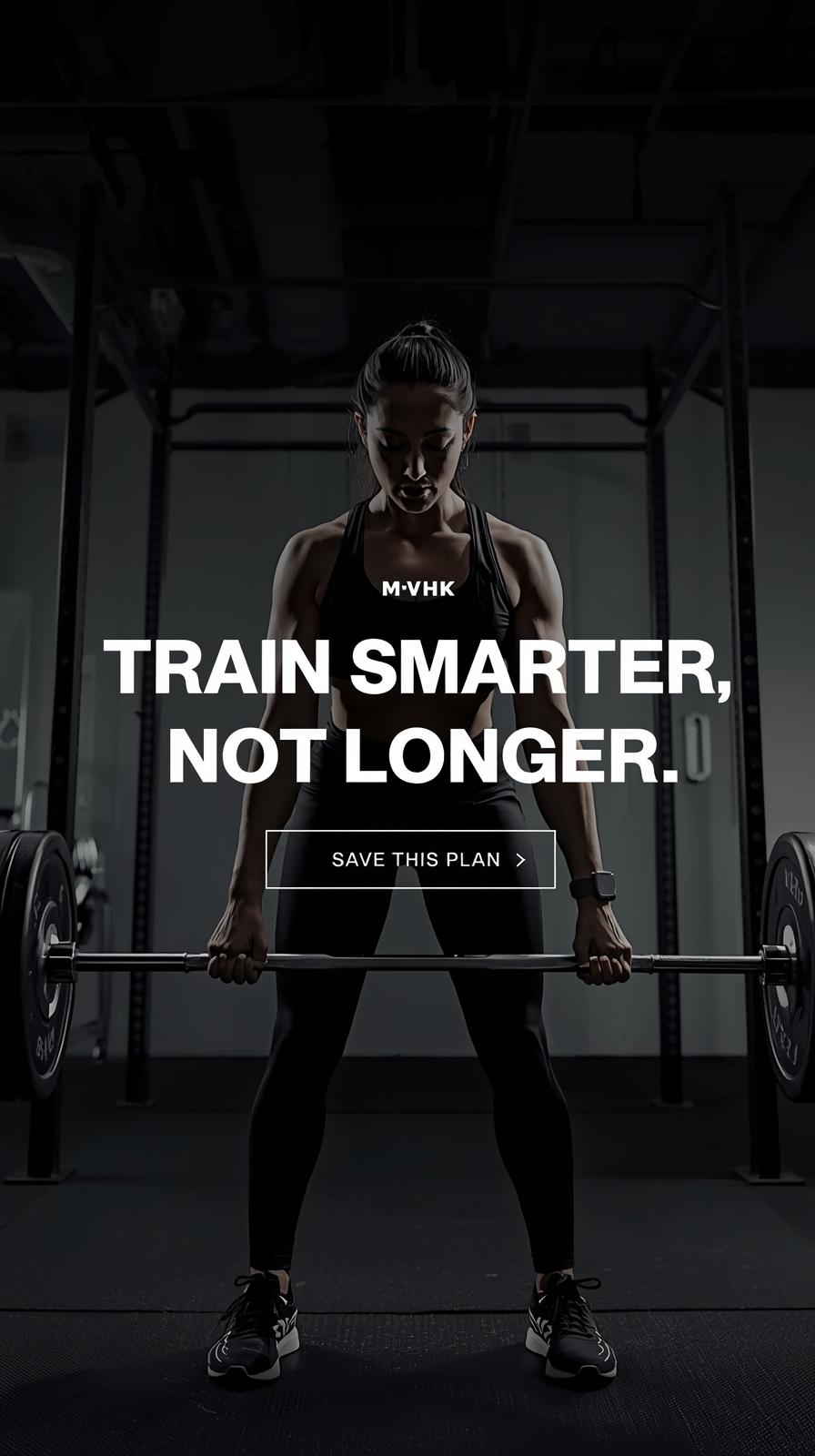
Quality Over Quantity Workout Structure: Why Less Is More
Enjoy your workouts even during Christmas !!!!!!!!
Want to get stronger, leaner, and fitter in less time? It’s time to ditch the endless reps and sweat-soaked sessions. The science says quality beats quantity — every time.
According to new fitness trends in 2025, a more sustainable, effective approach to strength training involves fewer exercises, fewer sets, longer rest, and laser focus on taking each set to the brink (but not beyond). This article breaks it down and shows you exactly how to structure your workouts for maximal results — in under 45 minutes.
Let’s flip the script on fatigue-driven training and rewire your workout for intelligent intensity.
🎯 The Science Behind Training Smarter
Why Traditional Workouts Miss the Mark
The old “no pain, no gain” model doesn’t hold up. Research from the National Strength and Conditioning Association (NSCA) shows that excessive volume and minimal rest can increase cortisol, hinder recovery, and reduce long-term adherence. Quantity-heavy workouts often prioritize sweat and soreness over progression.
The New Standard: RIR and Sustainable Intensity
In 2025, trainers are turning to RIR-based training — or “Reps in Reserve” — as the gold standard. This method focuses on stopping each set 0–2 reps short of failure, maximizing effort without overtraining. A study in the Journal of Strength & Conditioning Research found that training to 0–2 RIR leads to similar or better strength and hypertrophy gains compared to full failure, with less fatigue.
The Power of Long Rest Periods
Counter to popular belief, longer rest (2–3 minutes) between sets allows for higher quality effort in subsequent sets. In 2023, a meta-analysis in Sports Medicine revealed that longer rest correlates with greater strength gains and muscle growth — especially when training near failure.
💪 Implementation Guide: Build a Smarter Workout
Getting Started
Use this simple framework:
- 3–4 exercises per session
- 2–3 working sets per exercise
- 9–12 total sets per workout
- 3 minutes rest between sets
- Each set taken to 0–2 RIR
This structure reduces fatigue while maximizing performance.
Progression Strategies
Focus on progressive overload:
- Add reps (within the 6–12 range)
- Increase weight
- Improve form or control
- Reduce RIR over weeks (e.g., Week 1: 2 RIR → Week 4: 0 RIR)
Track every session. Apps like Strong, Hevy, or Alpha Progression now include AI-assisted RIR estimates and set tracking to help optimize every workout.
Common Mistakes to Avoid
- Too little rest: Leads to incomplete recovery and poor set quality
- Training to failure every time: Drains CNS and limits long-term progress
- Too many exercises: Dilutes intensity and recovery
- Chasing sweat instead of strength
🚀 Advanced Techniques to Enhance Quality
Personalization Through Data
Use biometric tools like Whoop, Garmin, or Apple Watch Ultra 2 to monitor recovery, HRV, and sleep. This guides when to push or back off, creating a sustainable rhythm.
Tech Integration for Focused Training
AI-based apps now suggest real-time set adjustments based on bar speed (velocity-based training) or fatigue markers. This ensures you hit the right RIR and intensity without guesswork.
Sustainability in Practice
This method reduces injury risk, improves enjoyment, and supports consistent long-term training — perfect for busy professionals, remote workers, or anyone tired of burnout fitness culture.
📊 Results & Success Stories
Case Study: Mark, 38 — Tech Consultant
“Cutting my workout volume in half but training harder per set was a game-changer. I gained 6 pounds of muscle and improved my deadlift by 60 lbs in 3 months — all on 3x/week sessions.”
Community Feedback
In forums like Reddit’s r/Fitness and YouTube’s evidence-based creators (Jeff Nippard, Dr. Mike Israetel), users consistently report better strength, physique, and energy levels with low-volume, high-intensity protocols.
Measurable Outcomes
- 20–30% strength gains in 8 weeks
- Lower post-training fatigue levels
- Higher training adherence
🎯 Action Plan: Start Today
Week 1–2: Build the Foundation
- Choose 2 upper, 2 lower compound lifts
- Rest 3 minutes between sets
- Stay 2 RIR
Week 3–4: Increase Intensity
- Push to 1 RIR on main lifts
- Track weekly load and reps
- Limit workouts to 45 minutes
Long-Term Maintenance
- Cycle RIR from 2→0 over 4-week blocks
- De-load every 8–10 weeks
- Adjust load/volume based on readiness
This system is efficient, repeatable, and fatigue-resistant — ideal for the modern fitness lifestyle.
FAQ Section
What is RIR in training?
RIR (Reps in Reserve) refers to how many reps you could do before failure. Training with 0–2 RIR means you’re pushing near your max without hitting failure.
Does less volume mean worse results?
No. Quality reps taken close to failure with longer rest and focused intent can outperform high-volume, low-effort workouts — especially for natural lifters.
How do I track RIR accurately?
Start by rating perceived exertion (RPE) after each set. Use apps that suggest RIR based on performance, or consult a coach for initial calibration.
When will I see results?
Most users see visible and strength-based results within 6–8 weeks if consistently training with intensity and smart progression.
Is this safe for beginners?
Yes. Beginners often benefit from less volume while learning proper form and intensity control. Always master technique before chasing high RIR sets.