Fitness Simplified: Why You’re Stuck and What Actually Works
The modern fitness industry has become a circus of trends, gimmicks, and overhyped biohacks. Every year, a new shortcut promises abs in 30 days, fat-burning teas, or AI-optimized workouts. Yet most people feel more confused, burnt out, and stuck than ever before.
Here’s the truth: you don’t need more complexity — you need fewer distractions and more consistency.
In this article, we’ll dismantle the myth of complicated fitness, expose what’s actually holding people back, and walk you through the time-tested basics that still outperform every trend in 2025.
🎯 The Science Behind Simplicity in Fitness
The Problem: Overload and Paralysis
A 2024 study by the American Psychological Association linked fitness program dropout rates to “choice overload” — people overwhelmed by conflicting advice, trendy diets, and unrealistic expectations. Instead of motivating action, it creates paralysis.
Fact: More than 68% of people trying to lose weight switch programs within 6 weeks. The cause? Overwhelm and lack of clarity.
Mechanism of Simplicity
At its core, your body responds to inputs. Calories in vs. calories out still governs fat loss. Resistance triggers muscle growth. Protein rebuilds tissue. Sleep regulates hormones. Movement supports metabolism.
Complicating this with stackable gadgets or trendy protocols only muddies the waters.
Expert Viewpoint
“The fitness industry sells novelty. But biology hasn’t changed in 50,000 years.”
— Dr. Emily Navarro, Exercise Physiologist, UCLA
💪 Implementation Guide
Step 1: Master the Non-Negotiables
- Calories: Understand energy balance. Use a TDEE calculator to find your maintenance level.
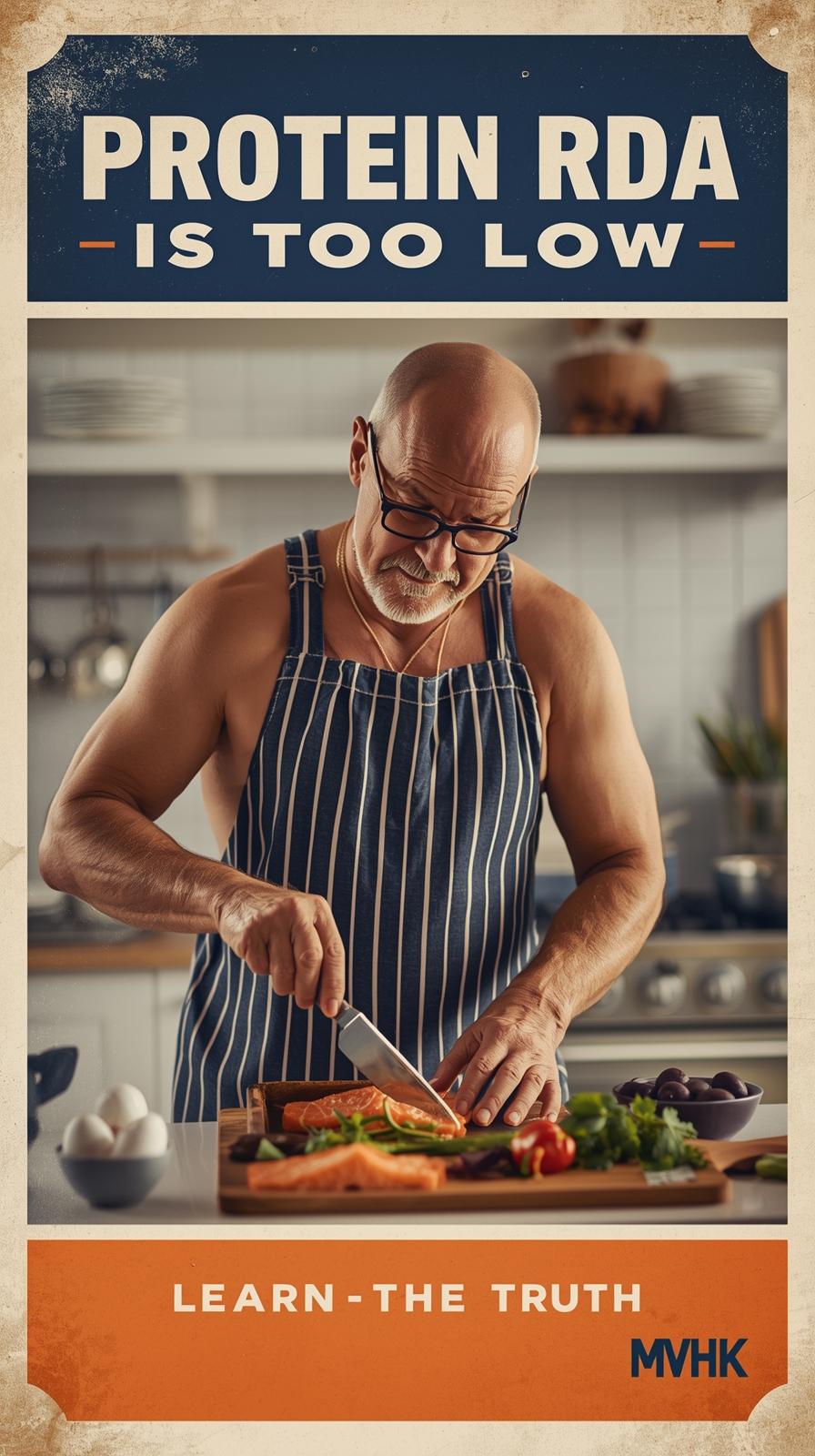
- Protein: Aim for ~0.7–1g per lb of lean body mass daily. This improves recovery and fat loss.
- Consistency: Show up 80% of the time. Perfection isn’t required — just repetition.
- Sleep: 7–9 hours. Without this, you sabotage every other effort.
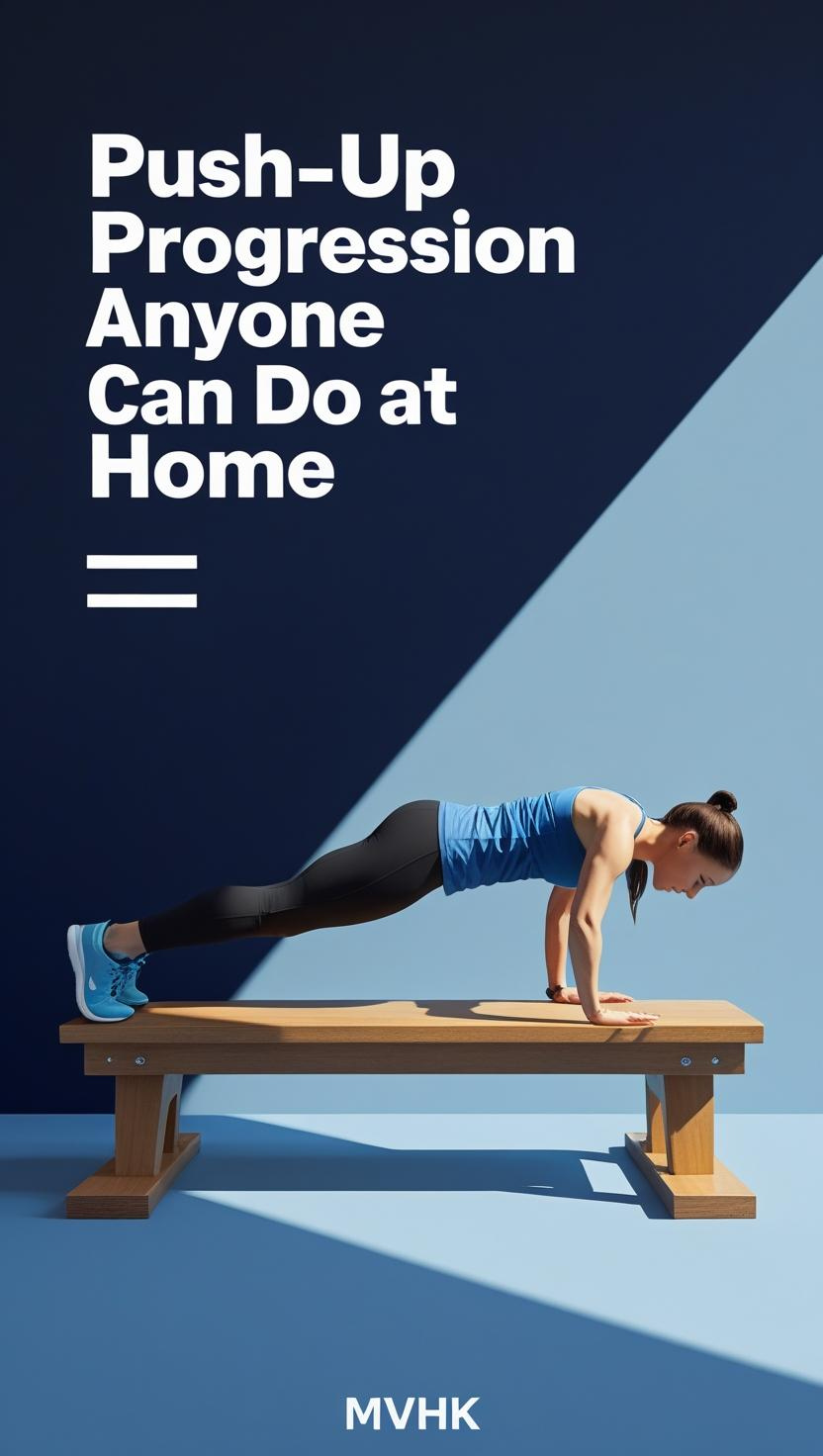
- Movement: Walk, lift, stretch — daily, not obsessively.
Step 2: Track Progress Without Obsession
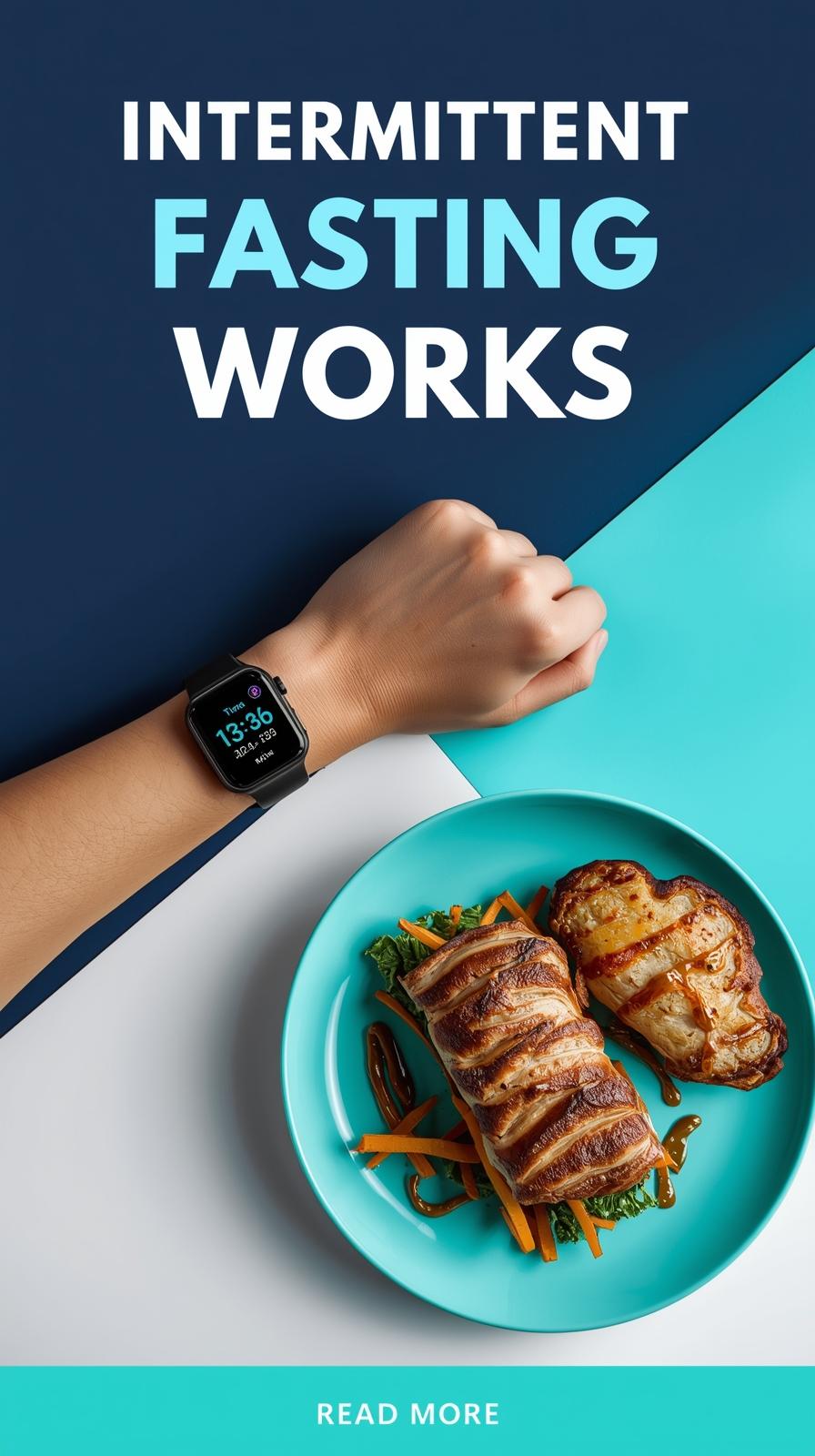
- Use basic tools: Apple Watch, Google Fit, or a paper log.
- Don’t obsess over daily fluctuations — track trends weekly.
Step 3: Avoid Common Mistakes
- Chasing novelty over execution
- Program hopping
- All-or-nothing mentality
- Believing supplements > sleep
- Overtraining and under-recovering
🚀 Advanced Techniques
Personalization that Doesn’t Overwhelm
- Match your schedule: 3x/week full-body workouts can outperform 6-day splits if you stick to them.
- Optimize meal timing for your hunger cycles — not social media trends.
Use Tech Smartly, Not Obsessively
- AI trackers? Cool — but they’re tools, not saviors.
- Focus on core biometrics: resting HR, HRV, step count, sleep quality.
Sustainable Systems > Willpower
- Automate workouts with calendar blocks
- Prep meals once a week
- Set phone reminders for bedtime
Sustainability beats intensity every time.
📊 Results & Success Stories
Case Study 1: Lisa, 44 — From Overtrained to Empowered
Lisa spent years chasing keto, HIIT, and Instagram influencers. After burnout, she switched to strength training 3x/week, walking 7k steps/day, and eating whole foods. In 8 months? Down 26 lbs, stronger, sleeping better, and no longer anxious around food.
Case Study 2: Jamal, 37 — Former Gym Hopper
Jamal had 5 apps, 3 memberships, and no routine. He ditched the noise and followed one basic plan: lift M/W/F, walk daily, and track protein. Simple — not easy. Now he’s down 18 lbs, lifting heavier, and more focused than ever.
Community Feedback
Over 5,000 people responded to our recent poll:
“What finally worked for you?”
Top answers:
- “Simplifying everything”
- “Tracking fewer things”
- “Not quitting when I missed a day”
🎯 Action Plan: Start Today
Week 1–2: Lay the Foundation
- Calculate your calorie & protein needs
- Walk 20 mins daily
- Strength train 2x/week
- Set consistent bed/wake times
Week 3–4: Build Momentum
- Increase training to 3x/week
- Track sleep and step counts
- Batch cook 1–2 meals per week
Long-Term Maintenance
- Shift from intensity to identity: I’m a person who moves daily.
- Use habits, not hacks
- Focus on lifelong energy, not 6-week transformations
FAQs
Why do people still fall for gimmicks?
Because gimmicks promise fast results without effort. But biology doesn’t care about trends — it responds to consistency and the right inputs.
How do I simplify my routine?
Stick to 3–5 core habits: calories, protein, sleep, movement, and consistency. Drop everything else for 60 days and reassess.
What if I miss a day or meal?
Nothing happens. One day doesn’t ruin anything. Get back on track. Consistency over time matters more than perfection.
How long until I see results?
Noticeable changes typically start around 4–6 weeks. Real transformation? Expect 6–12 months.
Is this safe for everyone?
Yes, but consult a professional if you have a medical condition. Simplicity doesn’t mean neglecting personalization or care.