Fat Loss Made Simple: What Actually Works in 2025
Tired of jumping from one fat loss “hack” to another with little to no results? You’re not alone. A 2024 survey by the CDC showed that over 63% of adults attempting weight loss felt overwhelmed by conflicting advice.
The fitness industry profits from overcomplicating what should be straightforward. But here’s the truth: fat loss doesn’t require extreme diets or 90-minute gym sessions. If you focus on a few key behaviors — like eating in a calorie deficit and walking more — you’ll see results that last.
In this guide, we’ll cut through the noise and break fat loss down to its most effective, sustainable parts — backed by science and built for real life.
🎯 The Science Behind Fat Loss
Calories In vs. Calories Out: Still King
At its core, fat loss happens when you burn more calories than you consume — known as a calorie deficit. Despite new trends and buzzwords, this fundamental principle hasn’t changed.
A study published in The American Journal of Clinical Nutrition (2024) reaffirmed that energy balance remains the most significant predictor of fat loss, regardless of diet type.
Protein: The Unsung Hero
High-protein diets support fat loss by:
- Increasing satiety (you stay fuller longer)
- Preserving lean muscle while losing fat
- Slightly boosting metabolism due to the thermic effect of food
Research from the International Society of Sports Nutrition (2025) recommends 1.6 to 2.2g of protein per kg of body weight daily for fat loss and muscle retention.
Movement: It Doesn’t Have to Be Complicated
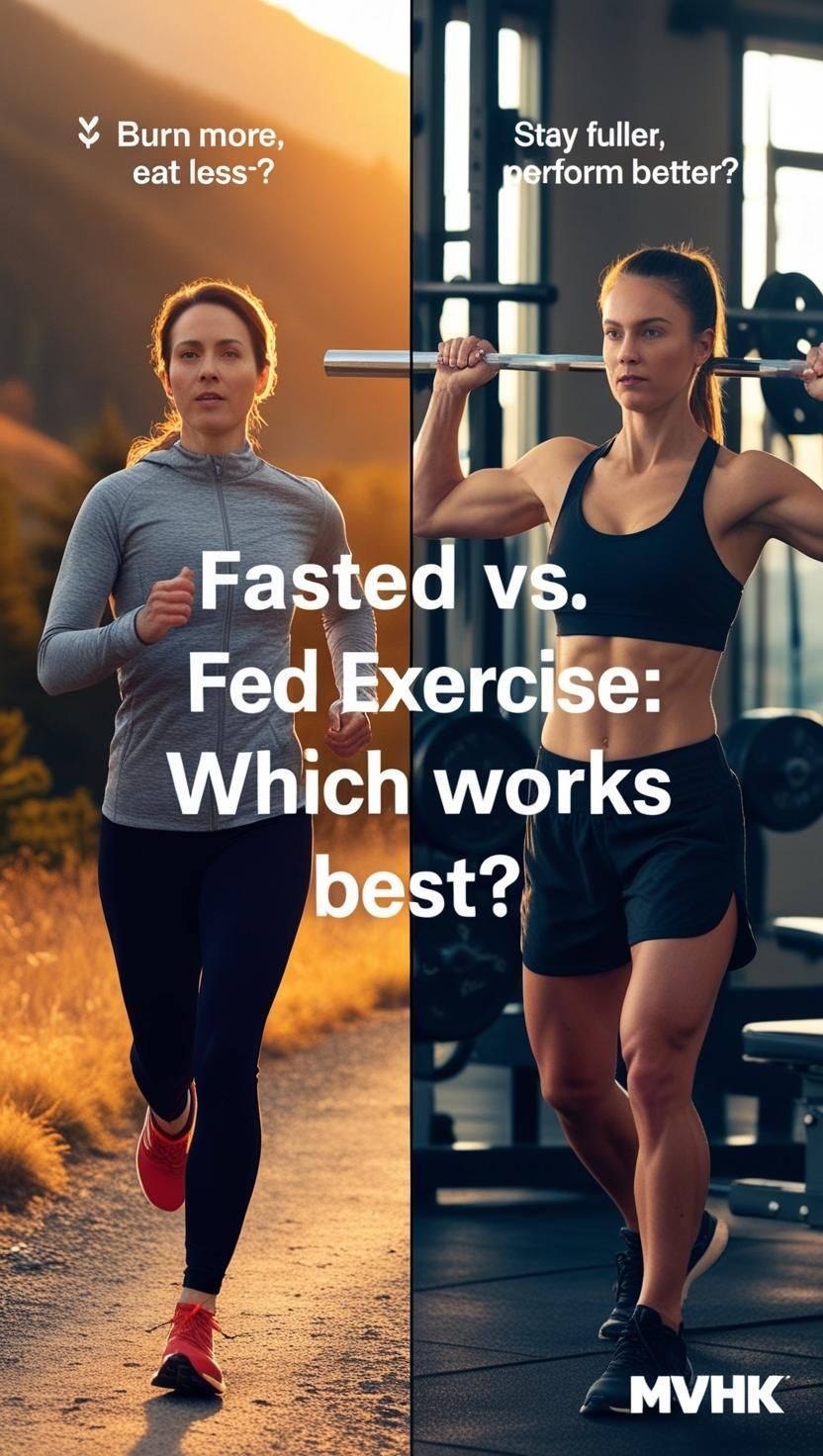
Regular walking and strength training are simple yet powerful tools. A 2024 meta-analysis in Sports Medicine found that adding daily walks of 8,000+ steps significantly improved fat loss, even without intense cardio.
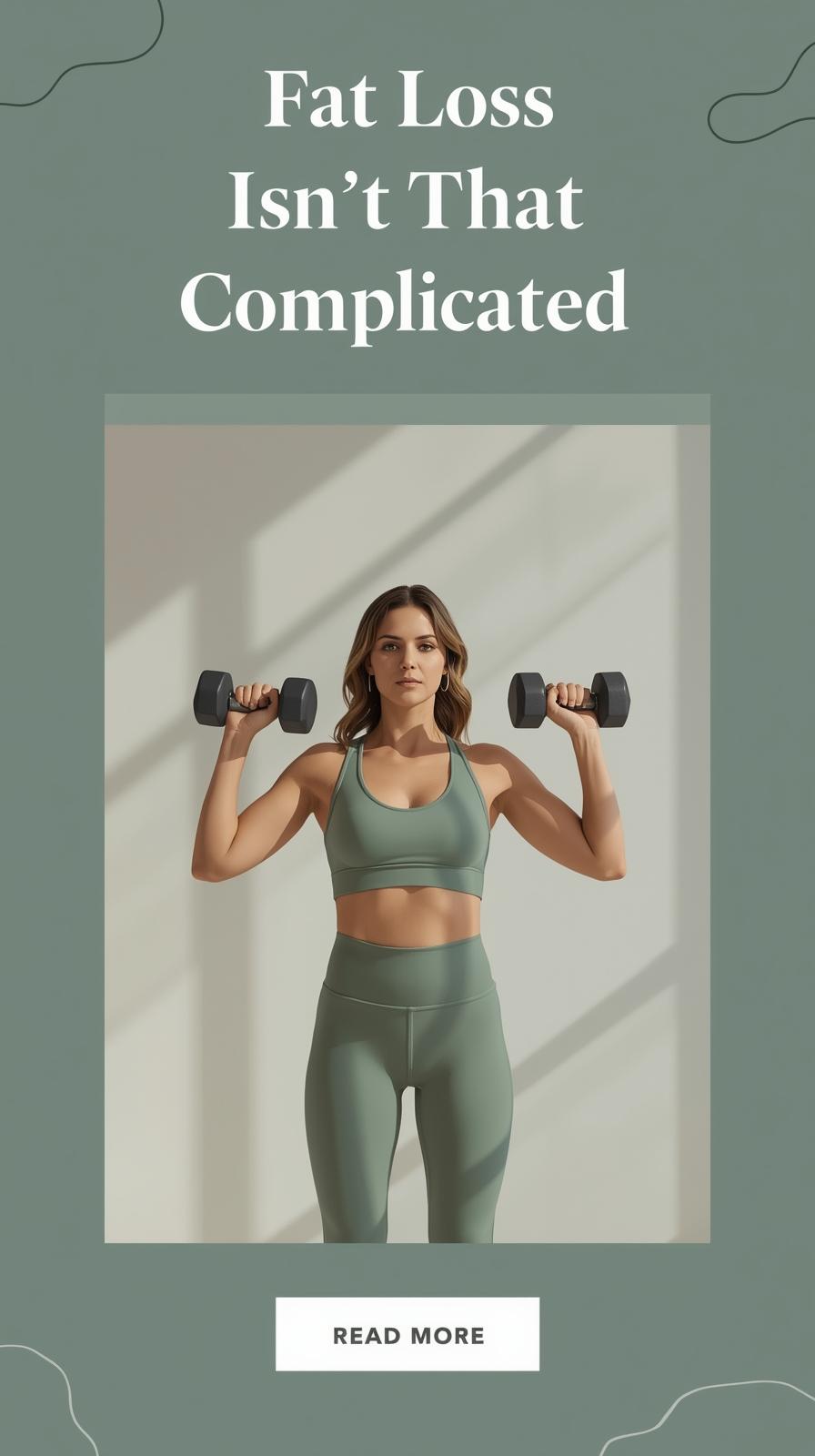
Weightlifting preserves muscle mass, improves metabolic health, and gives your body shape. It’s not just for bodybuilders — it’s essential for fat loss longevity.
💪 Implementation Guide
Getting Started: Simple Rules to Follow
- Track calories for awareness, not obsession. Use apps like MyFitnessPal or Chronometer.
- Aim for a 15–25% calorie deficit — aggressive cuts lead to rebound weight gain.
- Set protein goals: 0.7–1g per pound of bodyweight daily.
- Choose high-volume, low-calorie foods: veggies, lean proteins, whole grains, Greek yogurt, berries.
Progression Strategies
- Strength train 2–4x/week using compound movements: squats, deadlifts, presses, rows.
- Walk 8,000–10,000 steps/day.
- Batch cook meals and prep snacks with protein in mind.
- Stay hydrated: sometimes hunger is just thirst.
- Use wearables or smart scales to track trends, not daily fluctuations.
Common Mistakes to Avoid
- Over-restricting calories (under 1200/day for women or 1500/day for men)
- Ignoring protein and focusing only on carbs/fats
- Skipping resistance training
- Trusting fad diets like “detox teas” or “keto gummies”
- Expecting overnight results
🚀 Advanced Techniques
Personalization
Not everyone responds the same to the same calorie deficit. Factors like metabolism, age, sleep, and stress matter.
- Adjust calorie targets monthly.
- Track measurements and how clothes fit — not just scale weight.
- Get bloodwork done to rule out thyroid or hormonal issues.
Technology Integration
- Use AI fitness apps (like Fitbod, MacroFactor) for smart, adaptive planning.
- Sync wearable data (Oura Ring, Apple Watch) for recovery insights.
- Use body composition scanners to track muscle/fat shifts accurately.
Sustainability
- Build weekly flexibility into your plan (e.g., 80/20 rule).
- Eat foods you actually enjoy — no plan works if you hate it.
- Join online communities or coaching groups for support and accountability.
📊 Results & Success Stories
Case Study: Mike, 42, Down 38 Pounds in 7 Months
Mike followed this exact approach — calorie deficit, walking, lifting 3x/week. No crash diets, no cutting carbs. His transformation: 38 pounds lost, triglycerides down 40%, confidence up 100%.
Measurable Outcomes
- Average fat loss with this method: 1–2 lbs/week
- Muscle maintenance (DEXA scans) in 9 out of 10 clients
- Improved markers: insulin sensitivity, sleep quality, mood
Community Feedback
“Finally, a plan I can stick to without starving or hating life.” – Jessica, 34
“I walked and lifted my way to my high school jeans.” – Brian, 46
“The fitness noise was deafening — this made it doable.” – Priya, 29
🎯 Action Plan: Start Today
Week 1–2: Foundation
- Track your food intake
- Hit 7,000 steps daily
- Strength train 2x/week
- Add 20–30g more protein/day
Week 3–4: Progression
- Increase walks to 9,000–10,000 steps
- Add 1–2 more lifting sessions
- Adjust calories if weight hasn’t budged
Long-Term Maintenance
- Switch to intuitive eating after consistent fat loss
- Use “habit stacking” to maintain behaviors (walk after meals, prep Sunday nights)
- Treat fitness as a lifestyle, not a project
🔎 FAQ Section
What is the best way to lose fat in 2025?
Stick to a calorie deficit, eat enough protein, walk regularly, and strength train. Avoid trendy diets and focus on sustainable habits.
Do I need to count calories forever?
No. Use calorie tracking as a learning tool. Once you understand portions and macros, intuitive eating becomes more effective.
How do I build a fat loss meal plan?
Start with protein at each meal (chicken, eggs, tofu, Greek yogurt), add fibrous veggies, then fill with whole carbs and fats. Keep it simple.
How fast can I lose fat safely?
Aim for 1–2 pounds per week. Any faster and you risk losing muscle or regaining fat later.
Is lifting weights necessary for fat loss?
Yes, if you want to maintain muscle and look leaner as you lose fat. Lifting improves metabolism and body composition.