Science-Based Biohacking for Longevity
Daily evidence-based insights helping you live stronger, longer, and sharper.
-

Sauna After Exercise for VO₂ Max and Training Adaptation
Read more: Sauna After Exercise for VO₂ Max and Training AdaptationIntroduction Endurance performance isn’t determined only by how hard you train. It’s also shaped by how your body adapts after the workout ends. One of the most interesting findings in exercise physiology is that heat exposure after training may amplify aerobic adaptation. Studies show that individuals who performed cycling workouts and then spent about 15…
-

Vinegar Before Meals for Blood Sugar Control
Read more: Vinegar Before Meals for Blood Sugar Control💡 Key Takeaways Introduction Blood sugar spikes after meals are not just a diabetes problem—they are increasingly recognized as a driver of accelerated biological aging. Repeated glucose surges trigger inflammation, oxidative stress, and insulin resistance, all of which are strongly associated with cardiovascular disease, metabolic syndrome, and cognitive decline. One surprisingly simple intervention has gained…
-
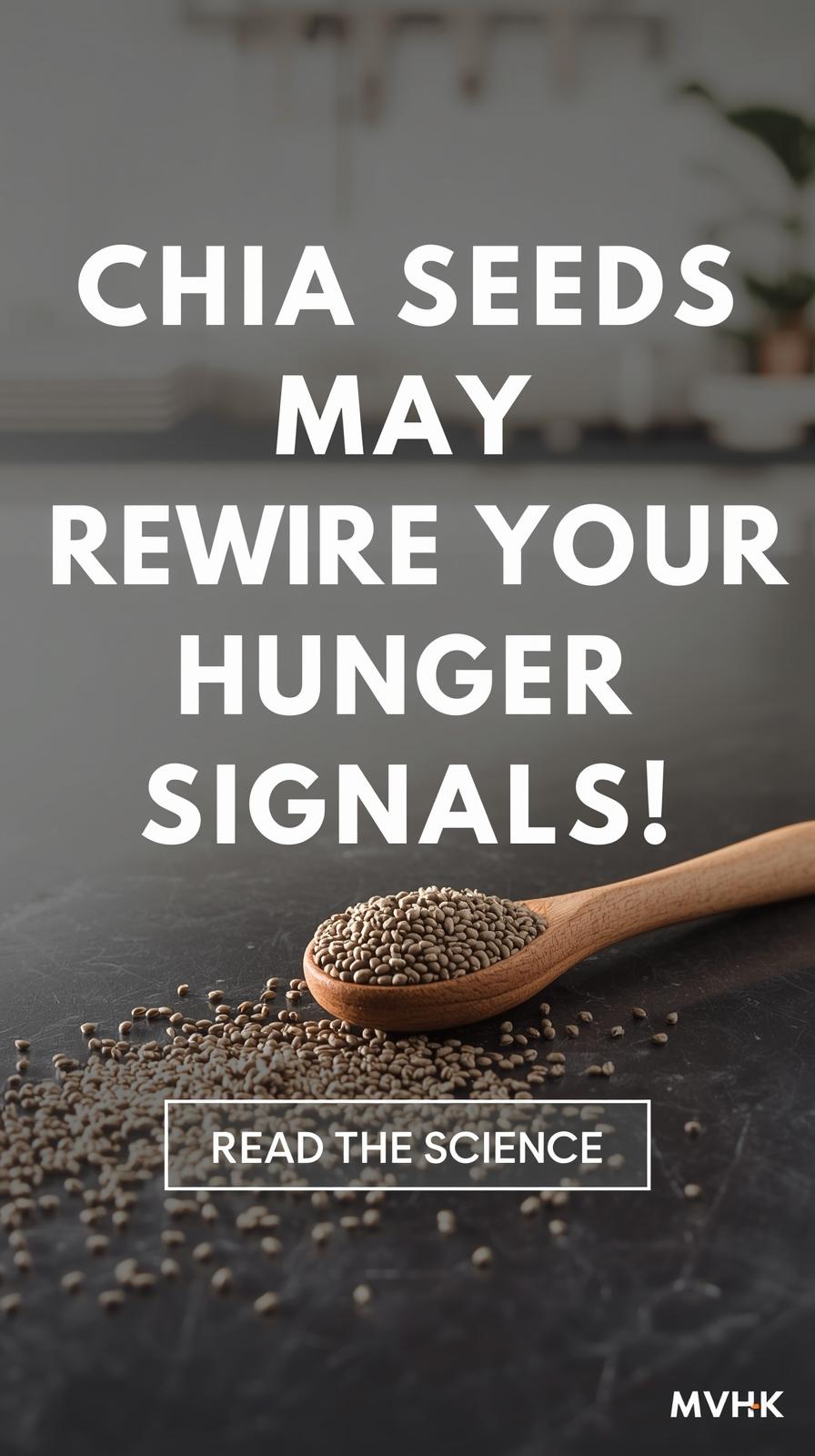
Chia Seeds and Brain Satiety: The Science Behind Appetite Control
Read more: Chia Seeds and Brain Satiety: The Science Behind Appetite Control💡 Key Takeaways Introduction The modern metabolic crisis is not simply a matter of overeating—it’s a breakdown of the brain systems that regulate hunger and satiety. Western diets rich in refined sugar and saturated fat disrupt hypothalamic signaling, leading to chronic hunger, leptin resistance, and neuroinflammation. These mechanisms are increasingly recognized as drivers of obesity,…
-

How to Naturally Boost Lymphatic Drainage
Read more: How to Naturally Boost Lymphatic Drainage💡 Key Takeaways Introduction Your cardiovascular system has a pump — the heart. Your lymphatic system does not. Instead, lymph circulation depends almost entirely on movement, muscle contraction, and breathing mechanics. When those inputs disappear, lymph flow slows dramatically. Modern lifestyles create the perfect conditions for stagnation: prolonged sitting, shallow breathing, restrictive clothing, and poor…
-
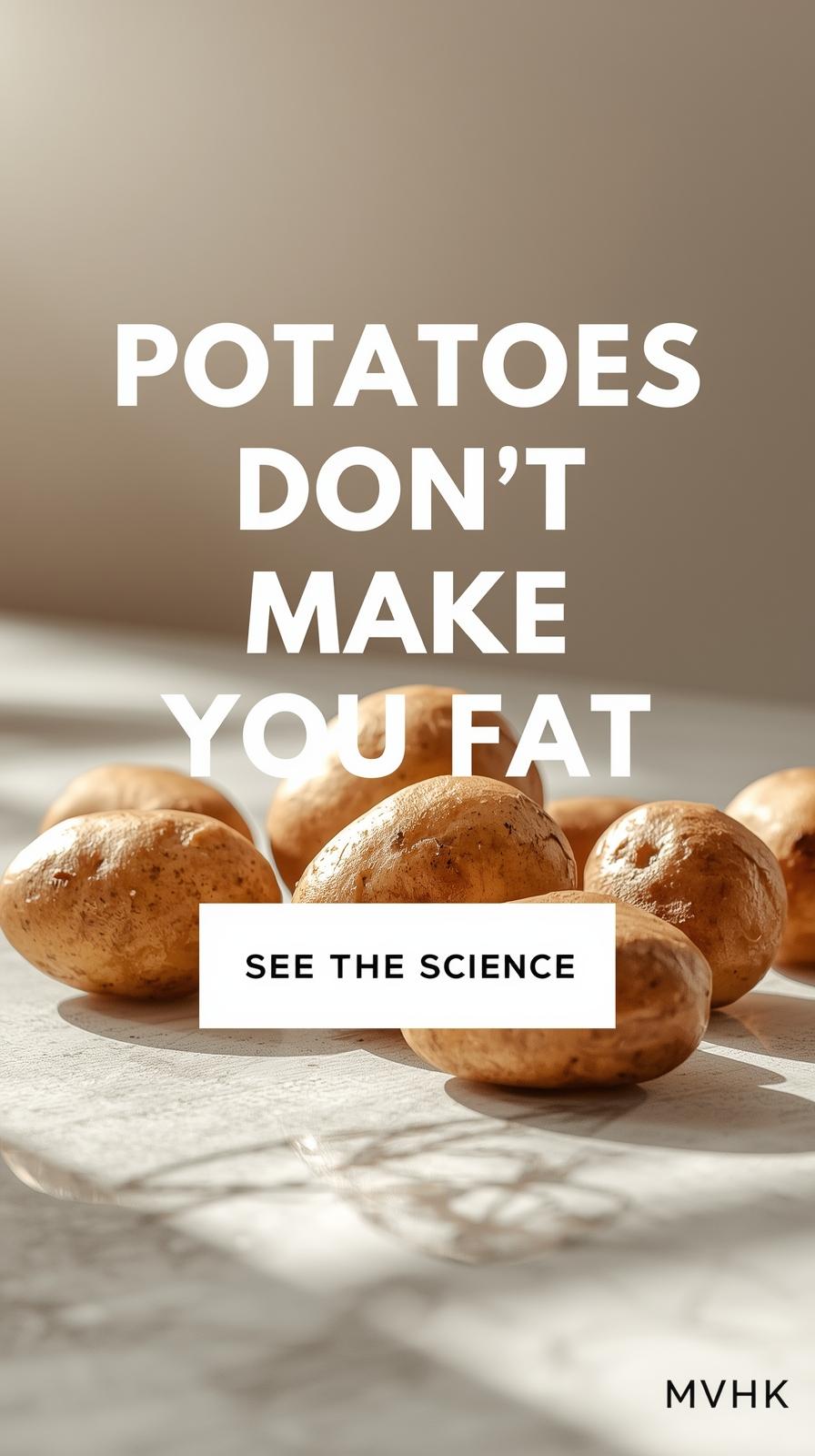
Are Potatoes Actually Good for Fat Loss and Metabolic Health?
Read more: Are Potatoes Actually Good for Fat Loss and Metabolic Health?💡 Key Takeaways Introduction Few foods have been unfairly demonized in modern nutrition as much as the humble potato. In many diet circles, potatoes are grouped with “bad carbs” and blamed for weight gain, insulin spikes, and metabolic dysfunction. Yet the research paints a very different picture. Whole potatoes are extremely nutrient-dense, high-satiety carbohydrates that…
-
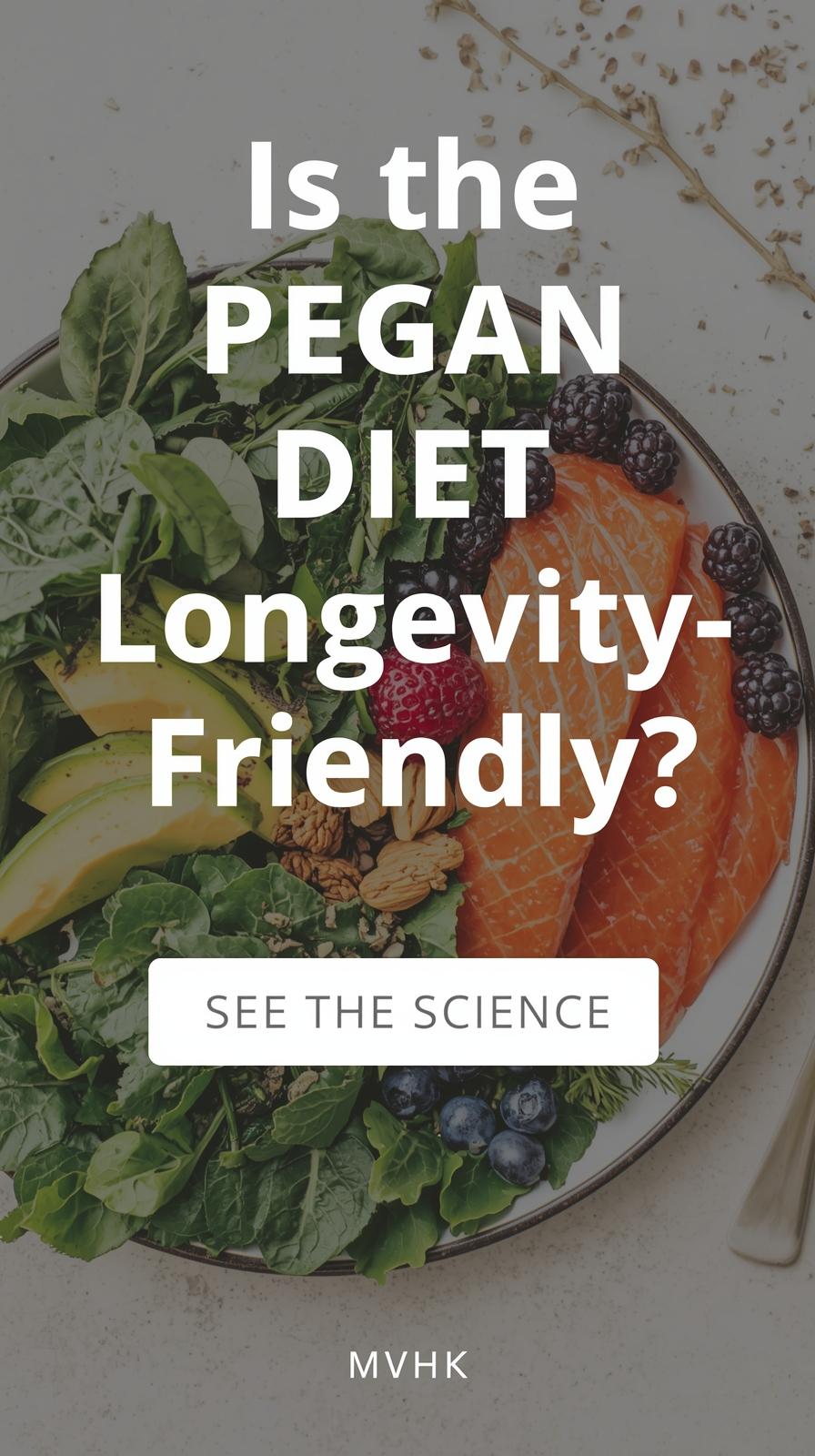
Pegan Diet for Longevity: Evidence-Based or Just Another Trend?
Read more: Pegan Diet for Longevity: Evidence-Based or Just Another Trend?💡 Key Takeaways A rigid diet rarely improves lifespan on its own. What matters is metabolic signaling. The Pegan diet for longevity blends paleo-style whole foods with plant-forward principles. The real question isn’t whether it’s trendy. It’s whether it supports mechanisms that determine healthspan: mitochondrial function, insulin control, inflammation load, and muscle retention. Chronic metabolic…
-
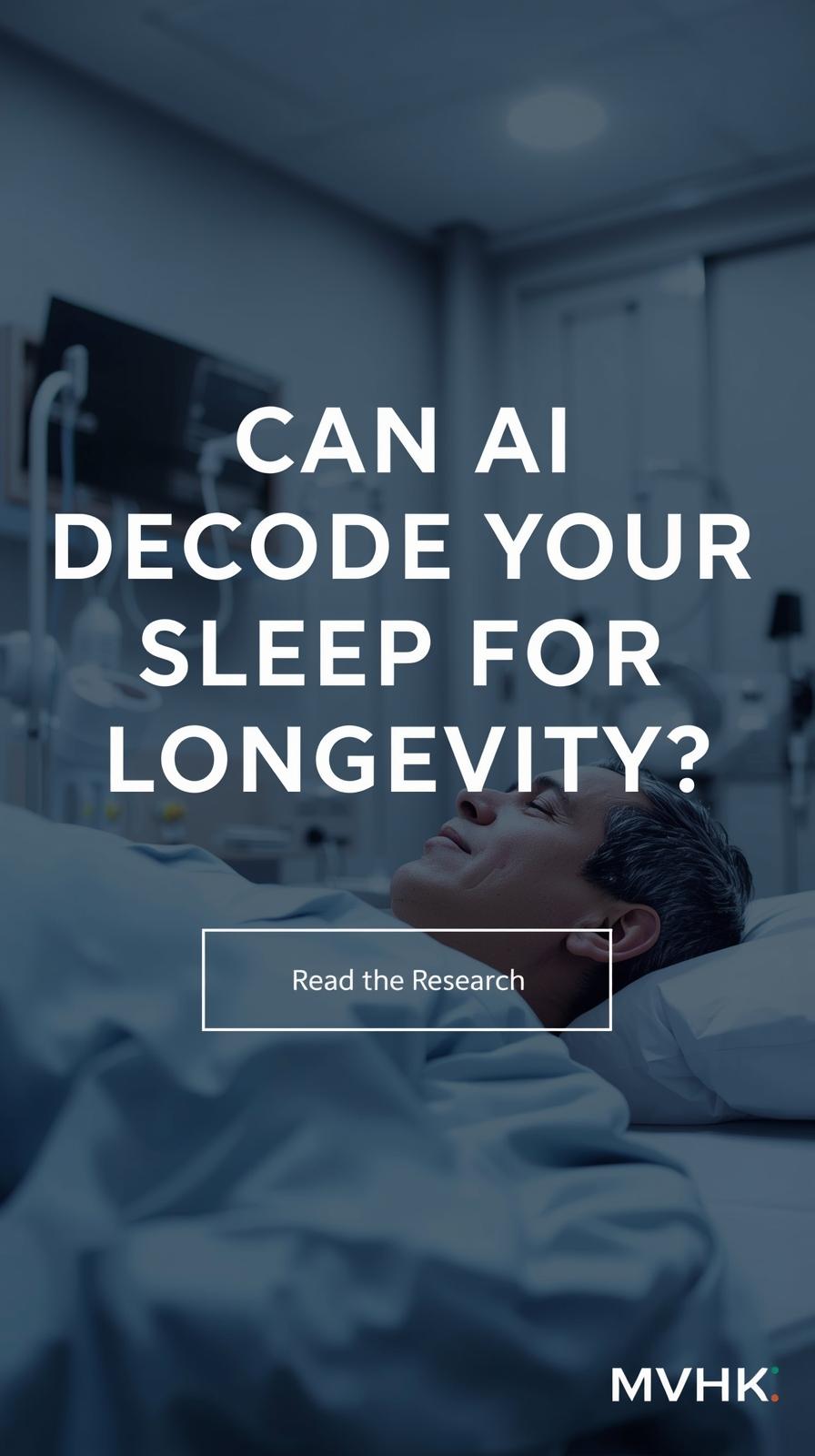
AI Polysomnography for Longevity Risk Detection
Read more: AI Polysomnography for Longevity Risk Detection💡 Key Takeaways Sleep is not passive recovery—it is a systems-level biological stress test. AI polysomnography for longevity risk detection represents a shift from treating sleep disorders to using sleep architecture as an early biomarker of aging biology. Traditional labs identify apnea or insomnia. AI models now analyze thousands of physiological signals simultaneously, revealing patterns…
-
Polyphenols and Sarcopenia: Can They Preserve Muscle After 50?
Read more: Polyphenols and Sarcopenia: Can They Preserve Muscle After 50?💡 Key Takeaways Introduction After age 50, adults lose approximately 1–2% of muscle mass per year. Yet sarcopenia is not just a “use it or lose it” problem. It is a molecular problem — driven by mitochondrial dysfunction, chronic low-grade inflammation, anabolic resistance, and epigenetic drift. Polyphenols — bioactive compounds found in berries, tea, cocoa,…
-
Resveratrol and Longevity: Does It Actually Extend Lifespan?
Read more: Resveratrol and Longevity: Does It Actually Extend Lifespan?💡 Key Takeaways Introduction Resveratrol is often marketed as a “longevity molecule.” The logic sounds compelling: it activates SIRT1, mimics calorie restriction, and improves metabolic markers. In obese mice, it even increased survival. But when researchers gave resveratrol to healthy mice eating a normal diet, lifespan did not increase. That contradiction is where the real…
-

VO2 Max vs METS: What Actually Predicts Mortality?
Read more: VO2 Max vs METS: What Actually Predicts Mortality?💡 Key Takeaways Introduction VO2 max has become the longevity metric of the decade. It’s quoted in podcasts, plastered across wearables, and framed as a primary predictor of lifespan. Here’s the contradiction: the overwhelming majority of mortality data does not come from directly measured VO2 max via metabolic cart testing. It comes from cardiorespiratory fitness…