Science-Based Biohacking for Longevity
Daily evidence-based insights helping you live stronger, longer, and sharper.
-
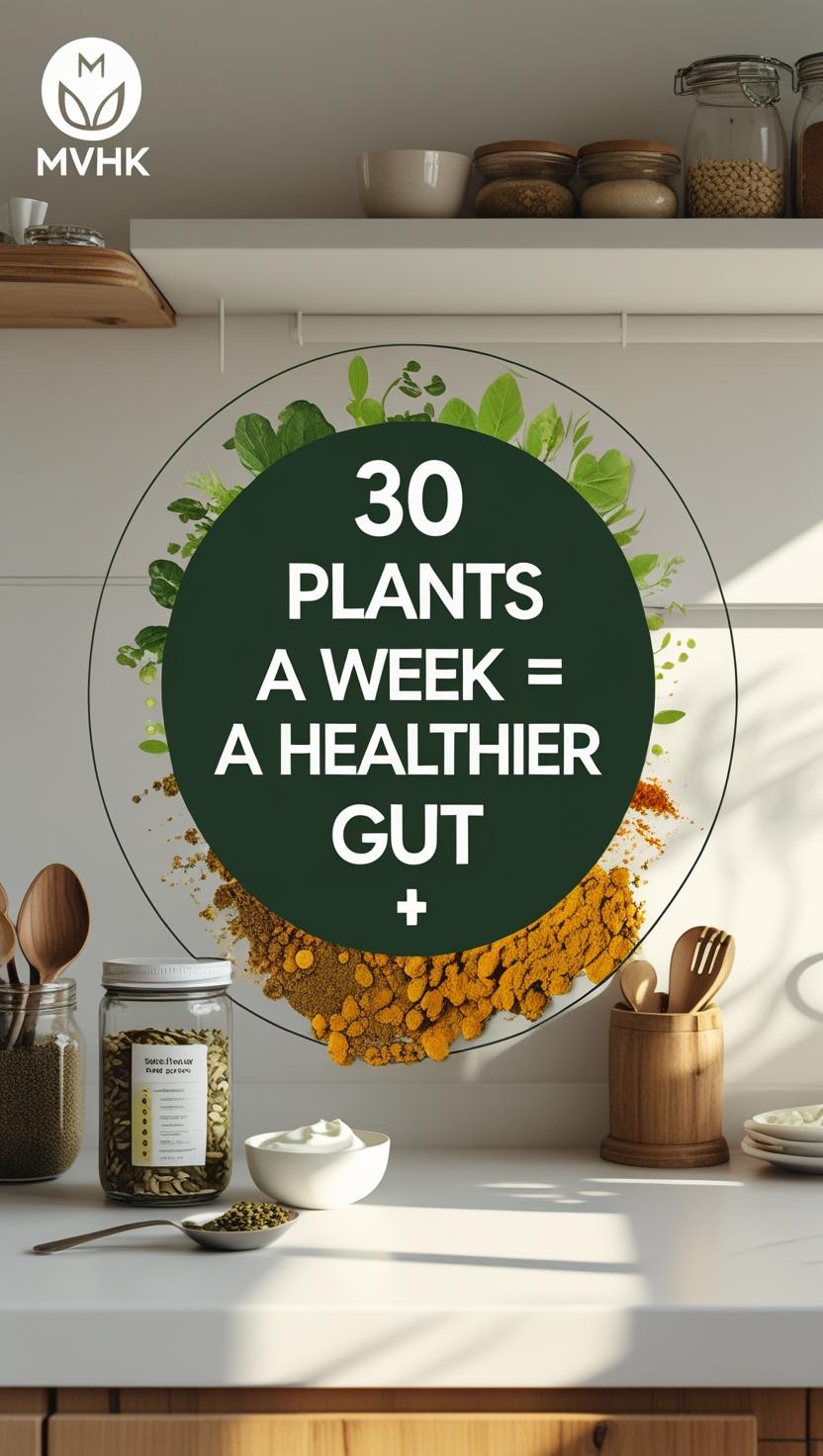
Eat 30 Plants a Week for a Healthier Gut: Diversity is Your Microbiome’s Secret Weapon
Read more: Eat 30 Plants a Week for a Healthier Gut: Diversity is Your Microbiome’s Secret WeaponHow many different plants did you eat this week? If you’re like most Americans, the answer might hover around 10–12—far short of the recommended 30 per week. Why does this matter? Because every plant feeds different strains of gut microbes, and these microbes are not just passive residents in your body. They actively produce vitamins,…
-

30-Day Dopamine Reset Plan
Read more: 30-Day Dopamine Reset PlanA weekend dopamine detox may offer short-term relief—but true brain recalibration requires a longer commitment. According to neuroscientists, it takes up to 30 days to reset your brain’s dopamine regulation system. Dopamine, the “reward chemical,” is overstimulated in our screen-filled, instant-gratification culture, and the consequences are more serious than most realize. In this article, we’ll…
-
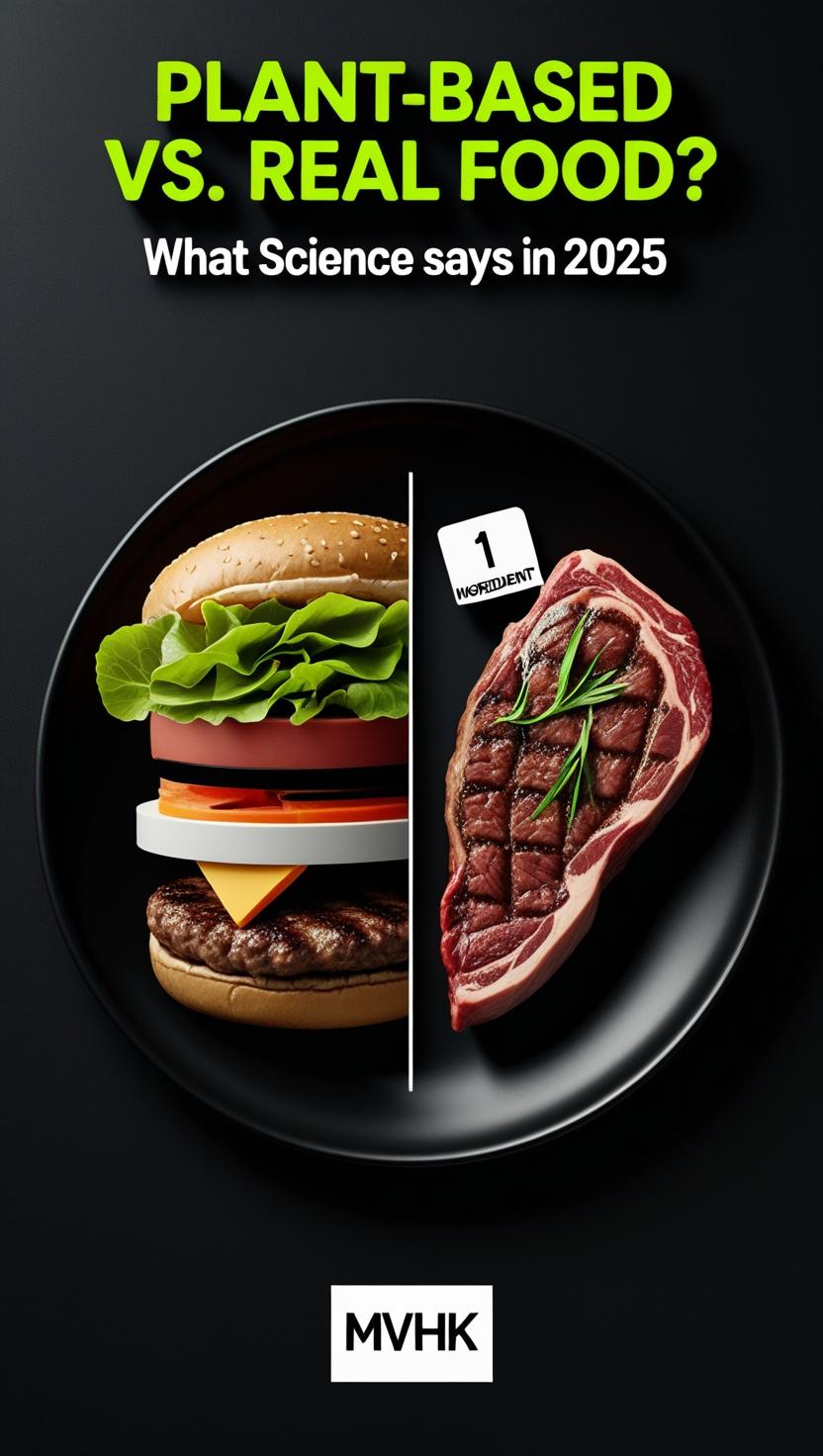
Plant-Based vs. Whole-Food Omnivore: What Science Actually Says in 2025
Read more: Plant-Based vs. Whole-Food Omnivore: What Science Actually Says in 2025The global debate over plant-based diets versus omnivorous eating habits has intensified, especially as wellness culture and personal health technologies evolve. While plant-based advocates tout disease prevention and environmental sustainability, whole-food omnivores counter with ancestral eating and nutrient density arguments. But what does science actually say in 2025? Here’s the surprising truth: Many of the…
-
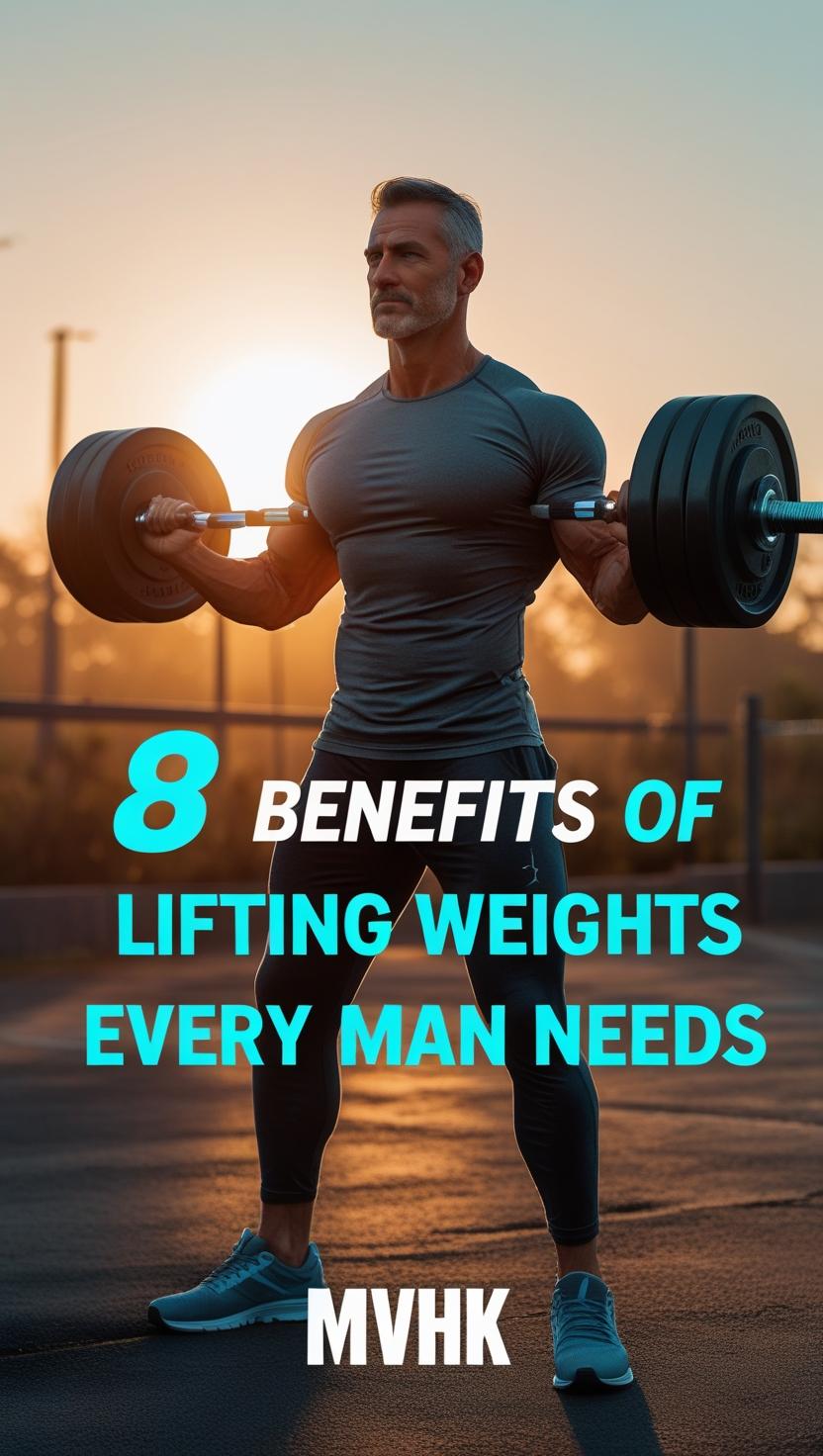
8 Benefits of Lifting Weights for Men
Read more: 8 Benefits of Lifting Weights for MenDid you know that over 70% of men over 30 lose muscle mass each decade without resistance training? Lifting weights isn’t just a gym trend—it’s a key to unlocking mental, emotional, and physical transformation. Whether you’re starting over, building back, or leveling up, the benefits of weightlifting go far beyond muscle definition.In this guide, we’ll…
-

Why Italians Stay Healthier: 6 Smart Habits Americans Overlook
Read more: Why Italians Stay Healthier: 6 Smart Habits Americans OverlookItalians rank among the healthiest populations in the developed world—even with rising obesity rates and urbanization creeping in. According to the Bloomberg Global Health Index, Italy often sits near the top in life expectancy and overall health outcomes. So what’s their secret? In 2025, more Americans are turning their attention to functional longevity and sustainable…
-
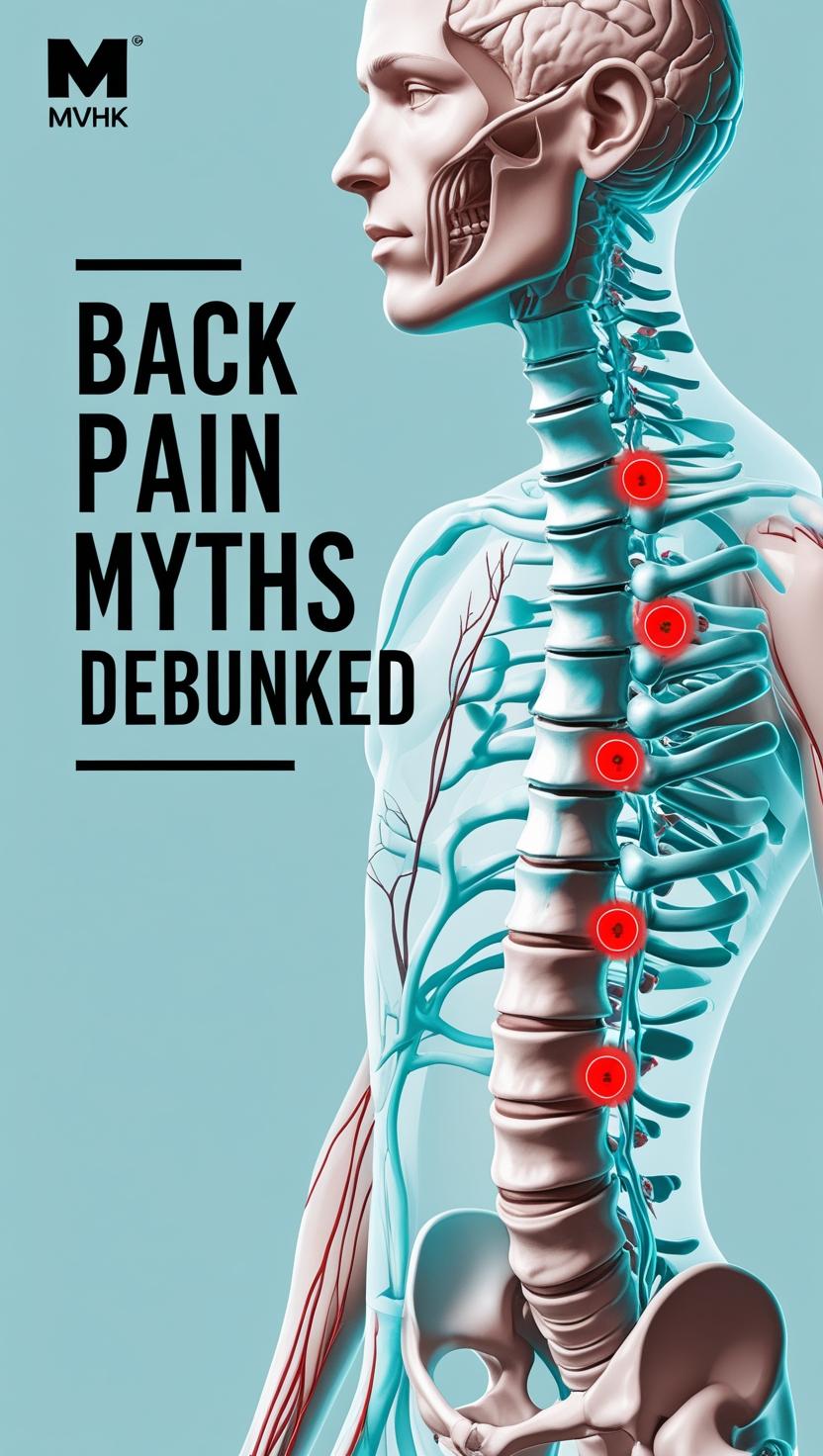
Back Pain Myths That Are Harming Your Health
Read more: Back Pain Myths That Are Harming Your HealthDid you know that over 84% of people will experience back pain at some point in their lives? Despite being so common, much of what we believe about spinal health is either outdated or completely false. From unnecessary scans to avoiding movement altogether, myths about back pain can actually make things worse. This article busts…
-
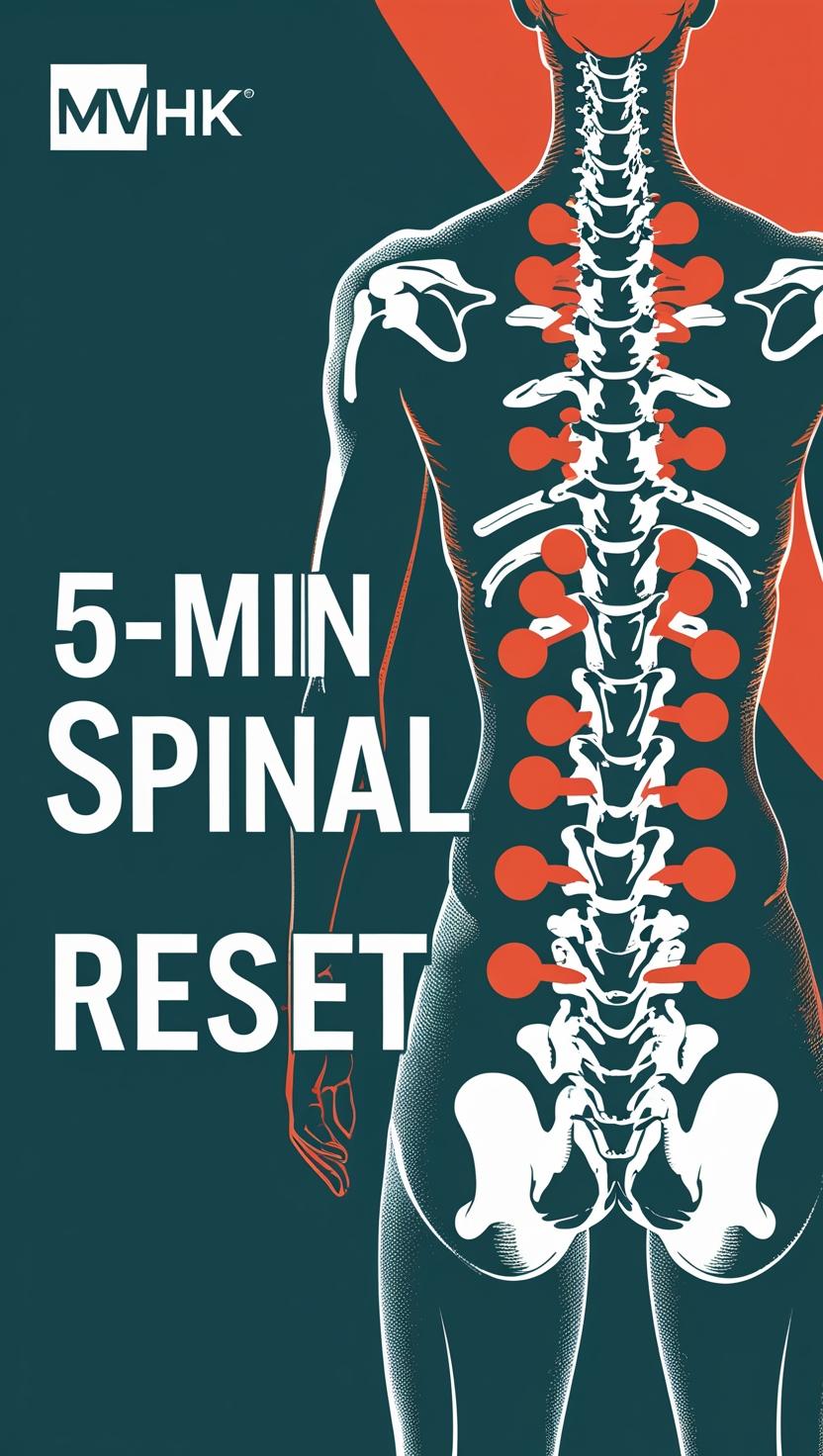
Daily Spinal Decompression for Back Pain Relief
Read more: Daily Spinal Decompression for Back Pain ReliefEveryday spinal pressure is silently wearing on your body—and it’s time to counteract it. Over 80% of adults experience back pain at some point, but few realize the spine needs daily recovery to stay functional. Spinal decompression isn’t just for injuries—it’s a proactive tool to prevent damage, restore posture, and reduce chronic discomfort. This guide…
-
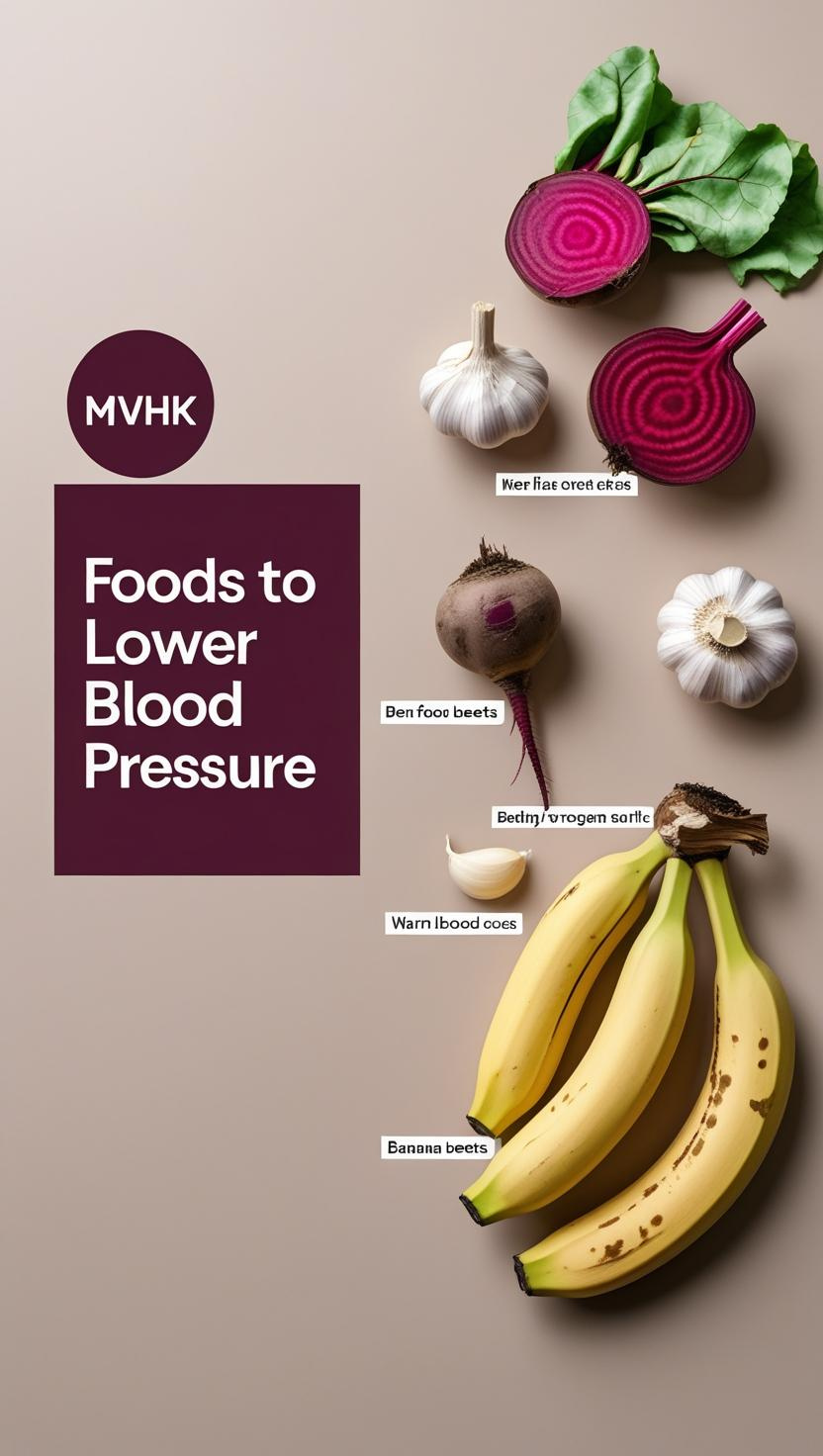
Foods That Lower Blood Pressure Naturally: A Science-Based Guide for Gen X Women
Read more: Foods That Lower Blood Pressure Naturally: A Science-Based Guide for Gen X WomenHigh blood pressure—or hypertension—is often dubbed the “silent killer.” And for good reason. It affects over 122 million Americans, and 1 in 2 adults don’t even know they have it. Particularly in Gen X women (ages 40–54), the risks are underestimated—until it’s too late. The good news? Nature offers a powerful toolkit. This guide explores…
-
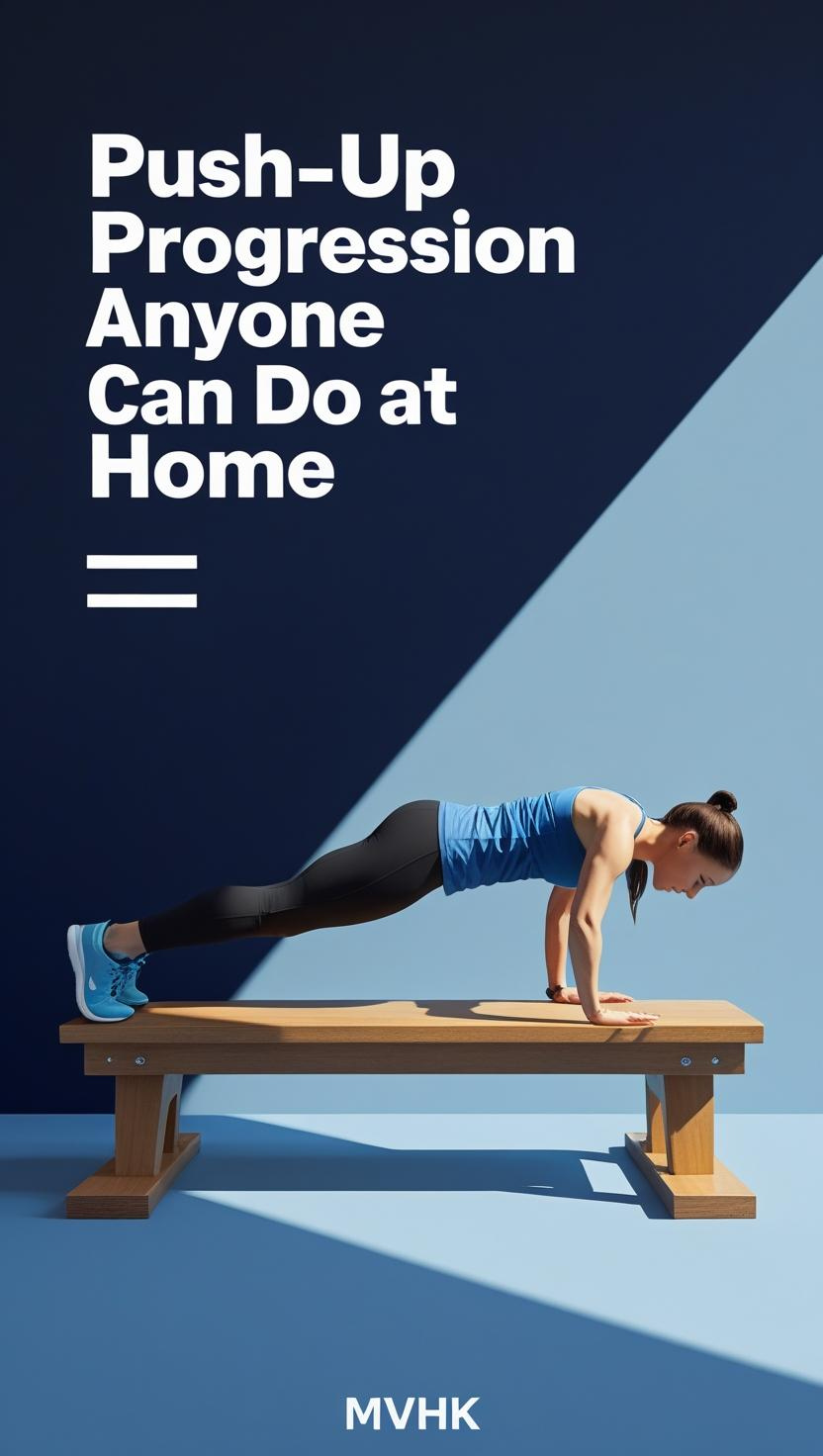
Push-Up Progression for Beginners at Home
Read more: Push-Up Progression for Beginners at HomePush-ups are the gold standard of bodyweight exercises — and for good reason. They improve upper body strength, require zero equipment, and can be done literally anywhere. But here’s the thing: many beginners struggle to do even one.That’s where a proper push-up progression comes in.This guide walks you through a 5-step workout that builds strength,…
-
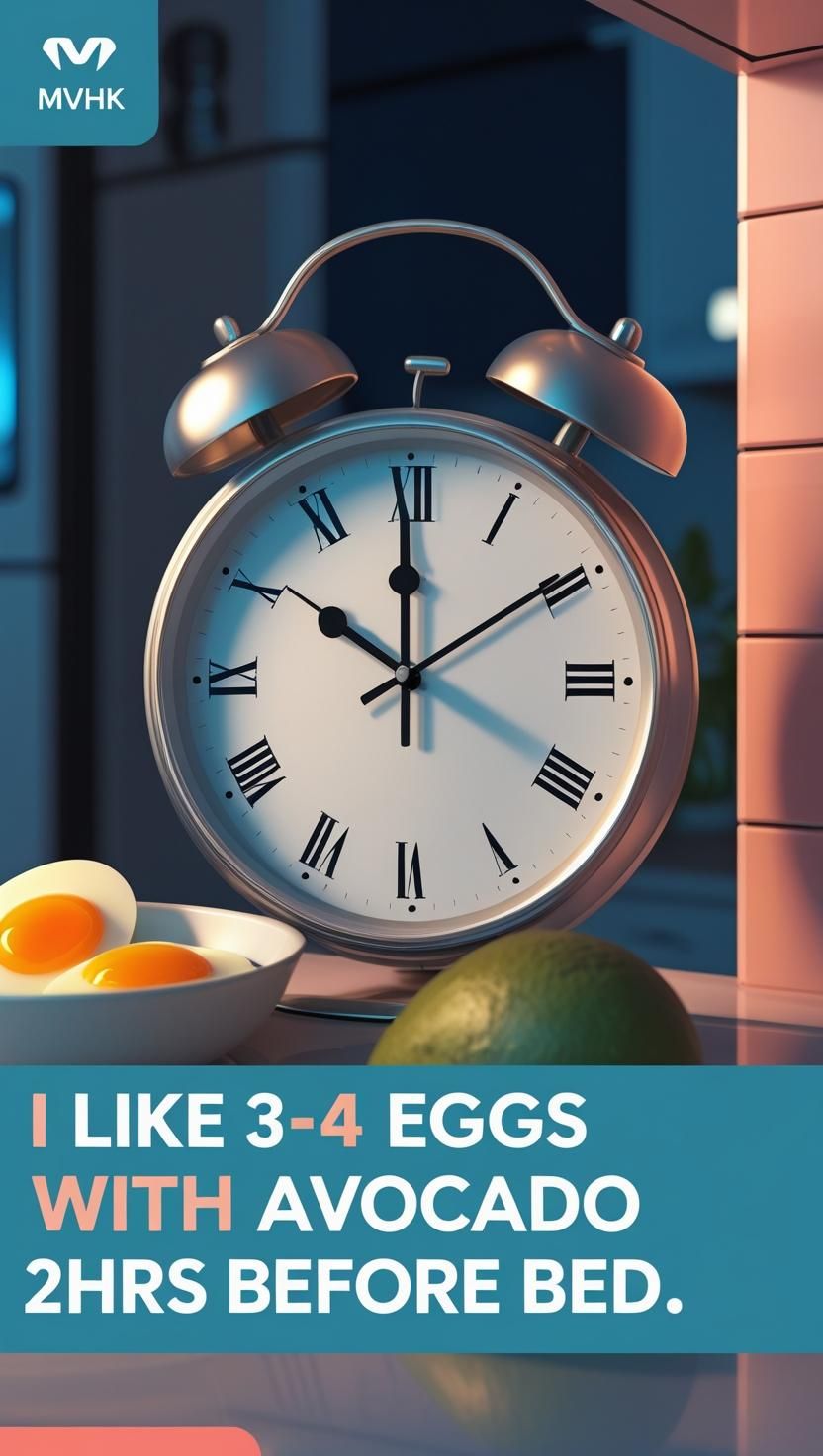
Late Dinner Effects on Metabolism: Why Timing Your Meals Matters
Read more: Late Dinner Effects on Metabolism: Why Timing Your Meals MattersEver notice how heavy, late-night meals make you feel groggy or restless the next day? 🕒 Your body isn’t designed to digest large meals right before bed—and science proves it. In fact, eating late can spike your blood sugar, reduce fat breakdown, and disrupt your sleep. As circadian optimization becomes a 2025 health trend, understanding…