Science-Based Biohacking for Longevity
Daily evidence-based insights helping you live stronger, longer, and sharper.
-

Deep Breathing for Lymphatic Detox and Stress Relief
Read more: Deep Breathing for Lymphatic Detox and Stress ReliefCan your breath detox your body? Surprisingly, yes—when done right. Deep belly breathing is more than a calming ritual; it’s a mechanical way to move lymph, flush toxins, and restore balance. Studies now show that breathing deeply from the diaphragm stimulates the lymphatic system, which is responsible for eliminating waste and regulating immune function. This…
-

Stop Late-Night Snacking for Good: 2 Proven Strategies That Actually Work
Read more: Stop Late-Night Snacking for Good: 2 Proven Strategies That Actually WorkDid you know that nearly 99% of adults admit to snacking at night—even when they’re not hungry? Whether it’s stress, boredom, or just habit, late-night eating sabotages your sleep, metabolism, and weight goals. And here’s the kicker: it’s not about discipline—it’s about design. If your pantry is packed with chips, cookies, or ice cream, you’re…
-
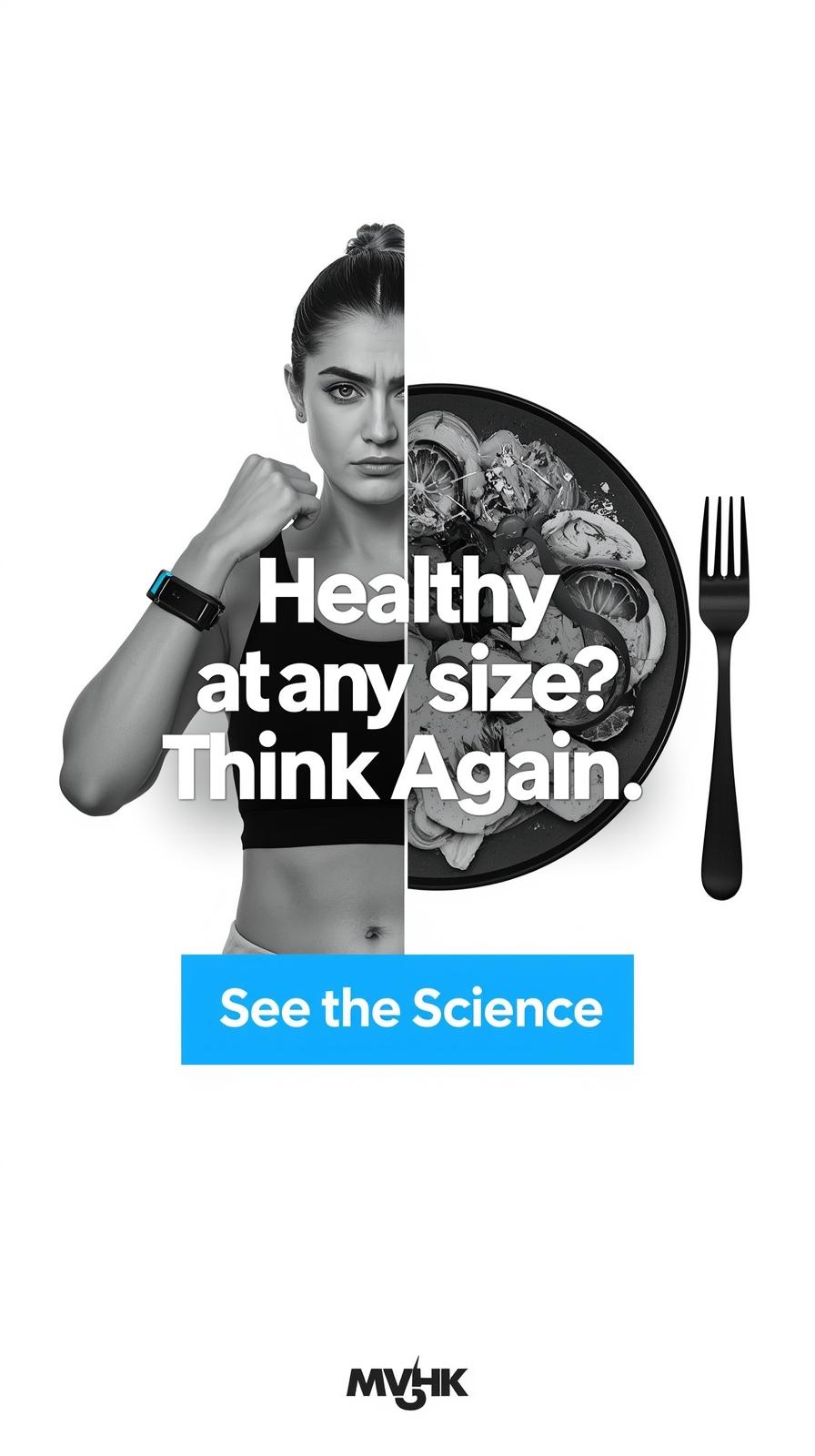
Healthy Weight Truth: Why “Healthy at Any Size” Is Scientifically False
Read more: Healthy Weight Truth: Why “Healthy at Any Size” Is Scientifically FalseIs “healthy at any size” a feel-good mantra—or a dangerous myth? In a world that’s increasingly body-positive, it’s essential we don’t confuse acceptance with avoidance of scientific truth. Within the first 100 words, let’s be clear: obesity is a chronic disease risk multiplier—for heart disease, cancer, diabetes, stroke, and early death. This article doesn’t shame—it…
-

5 Foods I Never Skip Weekly (And Why You Shouldn’t Either)
Read more: 5 Foods I Never Skip Weekly (And Why You Shouldn’t Either)We all have staple foods — the ones that make us feel energized, clear-headed, and strong. But what if your weekly food list could also slow aging, support brain health, and promote metabolic flexibility?That’s what I’ve aimed for by consistently eating these five foods each week: eggs, steak, full-fat A2 dairy, butter, and dark chocolate.…
-
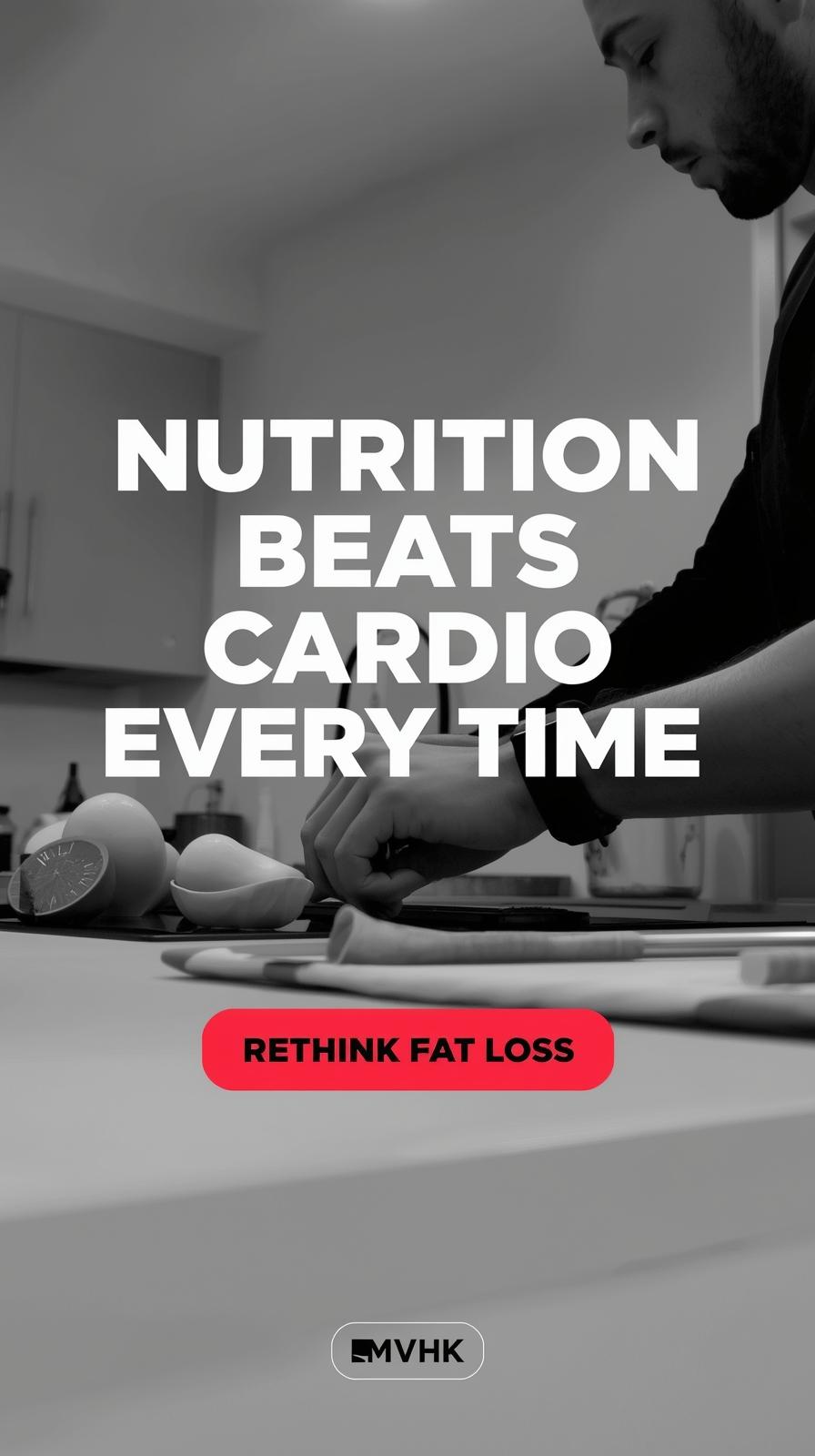
Nutrition: The #1 Lever for Fat Loss in 2026
Read more: Nutrition: The #1 Lever for Fat Loss in 2026Still thinking hours of cardio is the golden ticket to weight loss? Let’s reset that mindset. To lose one pound of fat, you need a 3,500-calorie deficit. That’s seven full hours of cardio—or just 30 seconds of controlled eating each day. Sounds too good to be true? It’s not. The science is simple, but the…
-
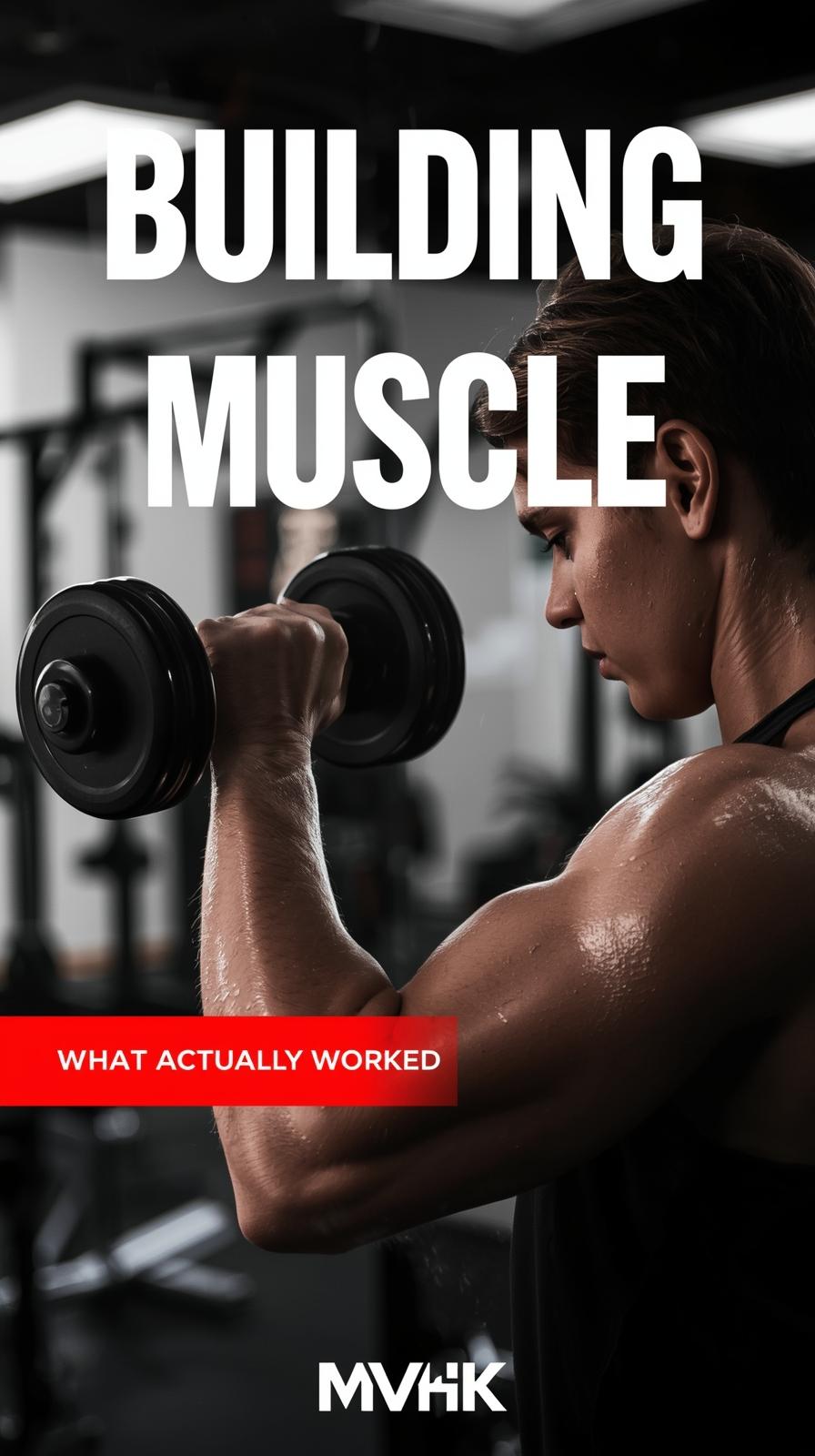
7-Step Muscle Building Protocol That Actually Worked for Me
Read more: 7-Step Muscle Building Protocol That Actually Worked for Me“Building muscle is ridiculously easy.” That’s what I told myself—right before failing the same rep three weeks in a row. If you’ve tried everything—more reps, more sets, even more sleep—and still plateaued, I feel you. The truth is, building muscle isn’t about complexity. It’s about consistency, personalization, and recovery. This isn’t medical advice—it’s just what…
-
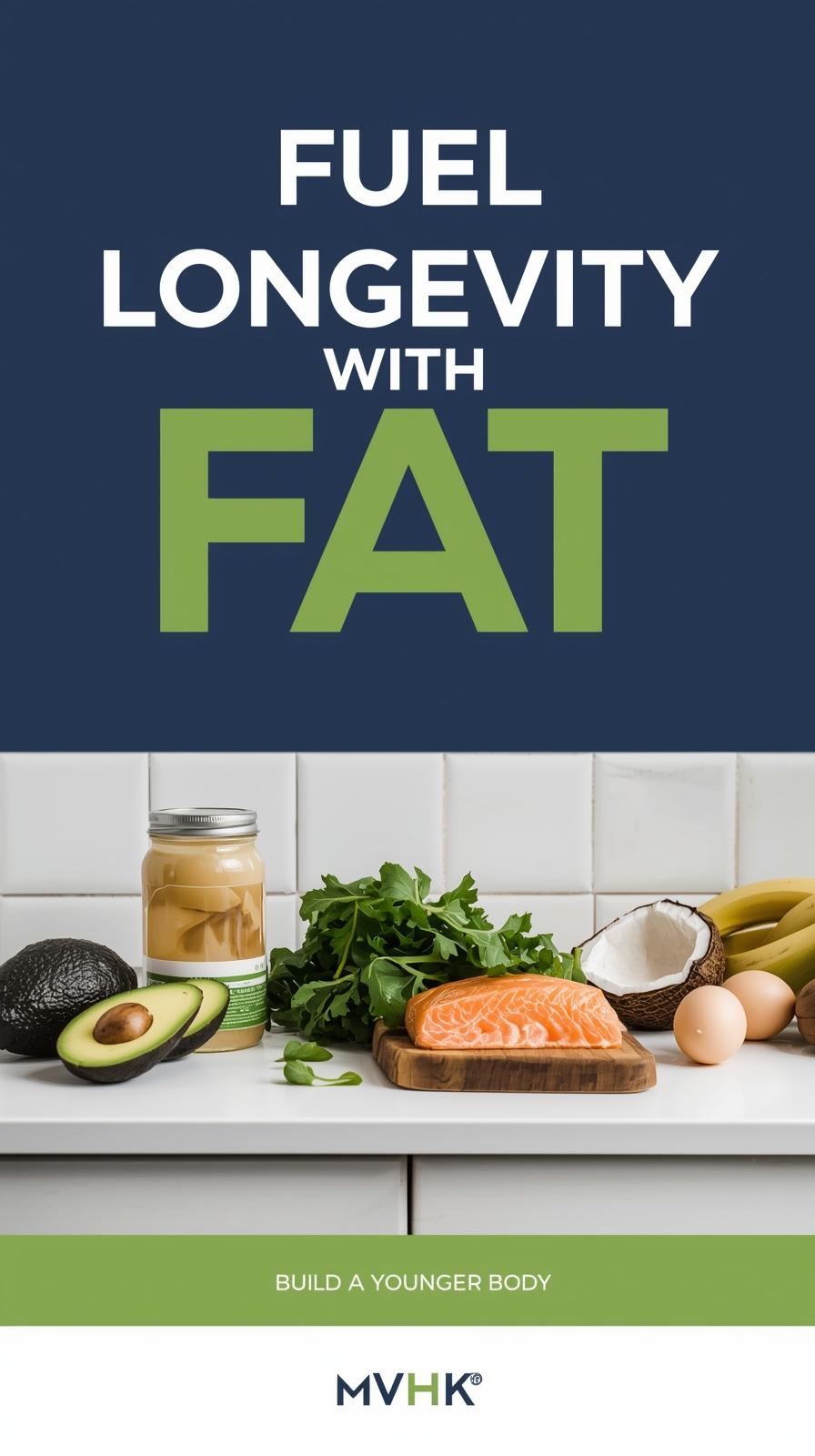
Build a Fat-Fueled Body: The New Pyramid for Longevity
Read more: Build a Fat-Fueled Body: The New Pyramid for LongevityForget the grain-heavy food pyramids of the past. In 2025, science is redefining the way we eat—especially for those over 50 who are looking not just to live longer, but to thrive longer. The Primal Blueprint Food Pyramid isn’t just a trend—it’s a longevity blueprint rooted in evolutionary biology, metabolic science, and anti-aging research. By…
-

Wrong Train, Hard Truth: How to Get Your Life Back on Track
Read more: Wrong Train, Hard Truth: How to Get Your Life Back on TrackHave you ever looked around and thought, “How did I end up here?” Whether it’s staying too long in a toxic relationship, holding onto a draining job, or ignoring health red flags, we’ve all had moments where we realize we’ve boarded the wrong train. But here’s the kicker: the longer we stay on that train,…
-

Metabolic Winter Benefits: Burn Fat and Age Better with Cold Exposure
Read more: Metabolic Winter Benefits: Burn Fat and Age Better with Cold ExposureAre you turning down the thermostat this winter? You might want to — not just for your utility bill, but for your waistline and lifespan. The idea of Metabolic Winter—a period of cold exposure triggering your body’s fat-burning and adaptation mechanisms—is gaining traction among health scientists and longevity experts. When your body shivers, it burns…
-

Coffee Creamer Upgrade: Raw Milk, Honey & Cinnamon for Smarter Mornings
Read more: Coffee Creamer Upgrade: Raw Milk, Honey & Cinnamon for Smarter MorningsIs your morning coffee quietly sabotaging your health? Commercial creamers are often packed with ultra-processed ingredients, synthetic sweeteners, and inflammatory oils. Yet, most people wouldn’t dream of giving up their morning brew. The good news? You don’t have to. Instead, rethink what goes into your cup. By simply upgrading your creamer to include raw milk,…